
Security Starts With Understanding the Vehicle Threat
There is no single vehicle barrier suitable for every security scenario. Some facilities need protection against vehicle intrusion, while others primarily need to control traffic direction and prevent unauthorized reverse entry.
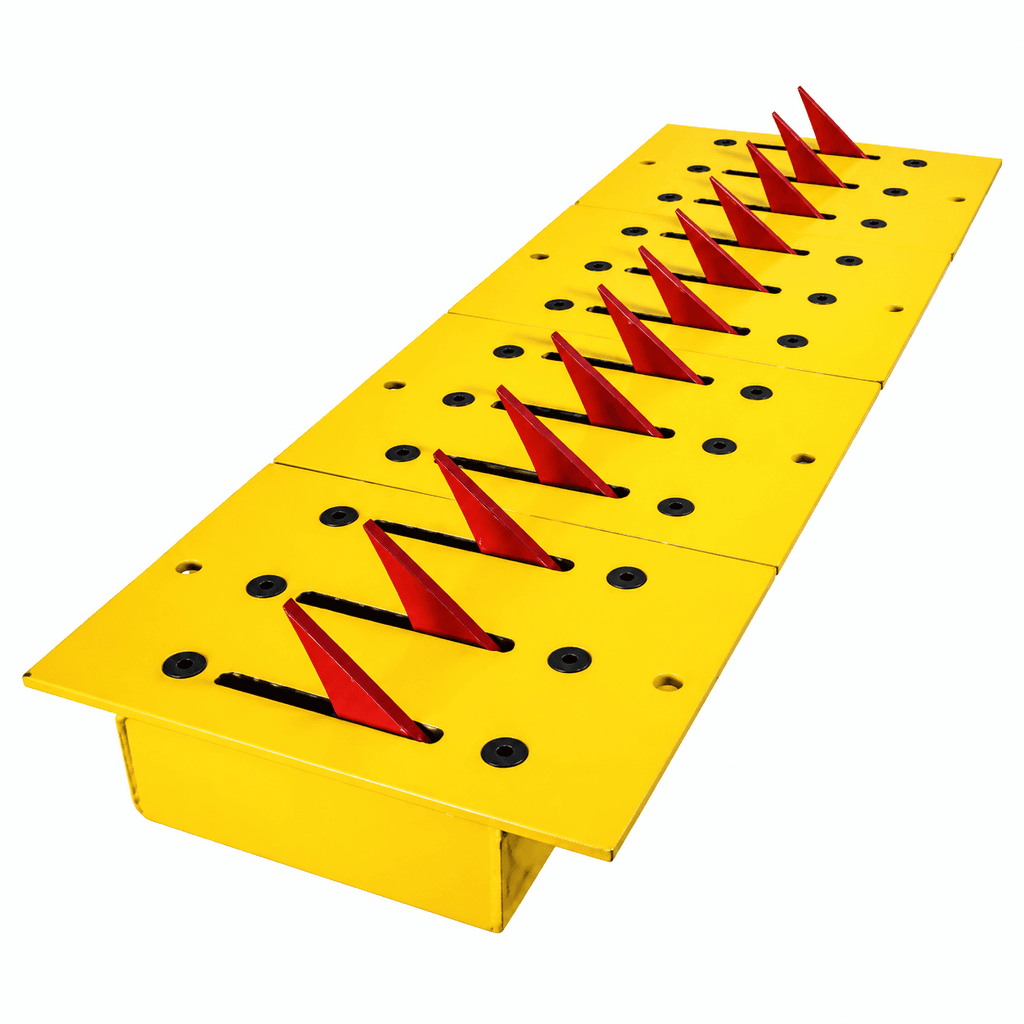
- A tyre killer controls traffic direction and punctures the tyres of a vehicle going the wrong way, rising in 1.5–3 seconds, according to the catalogue.
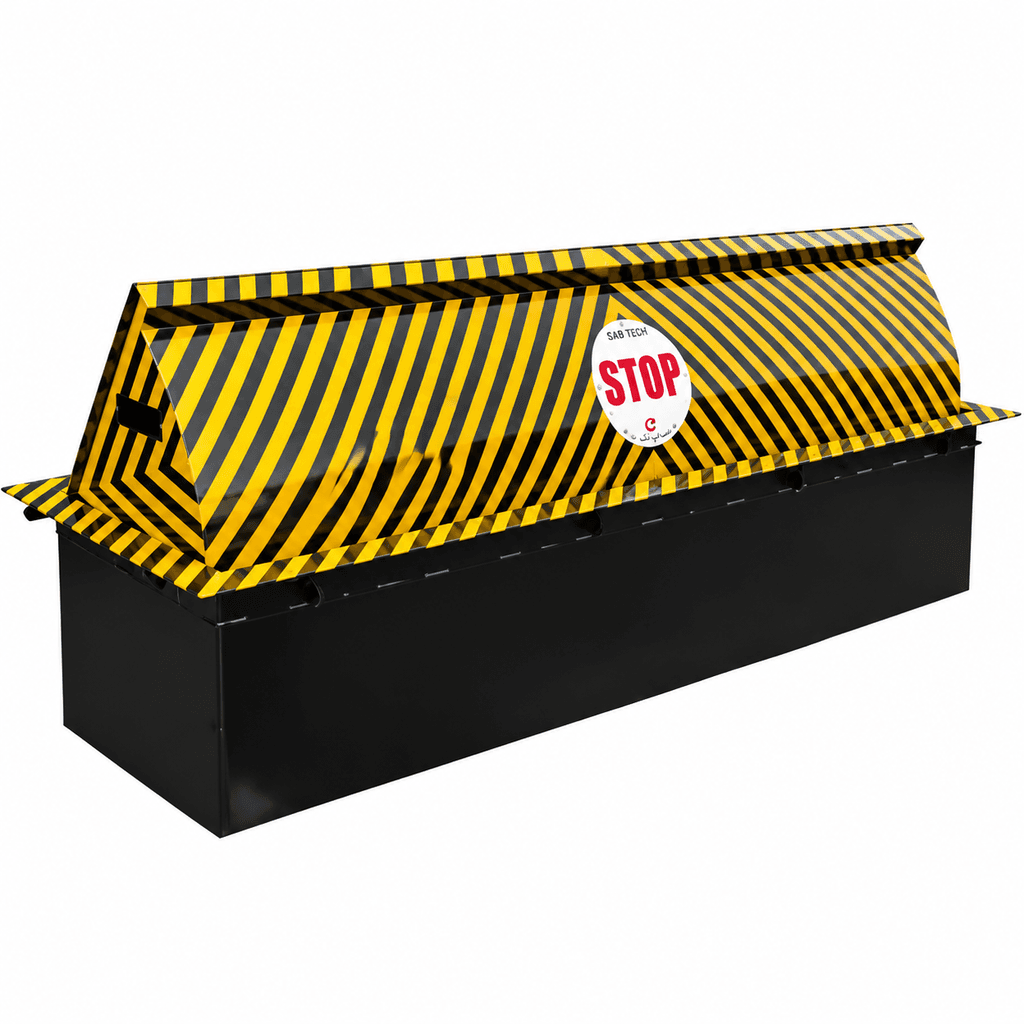
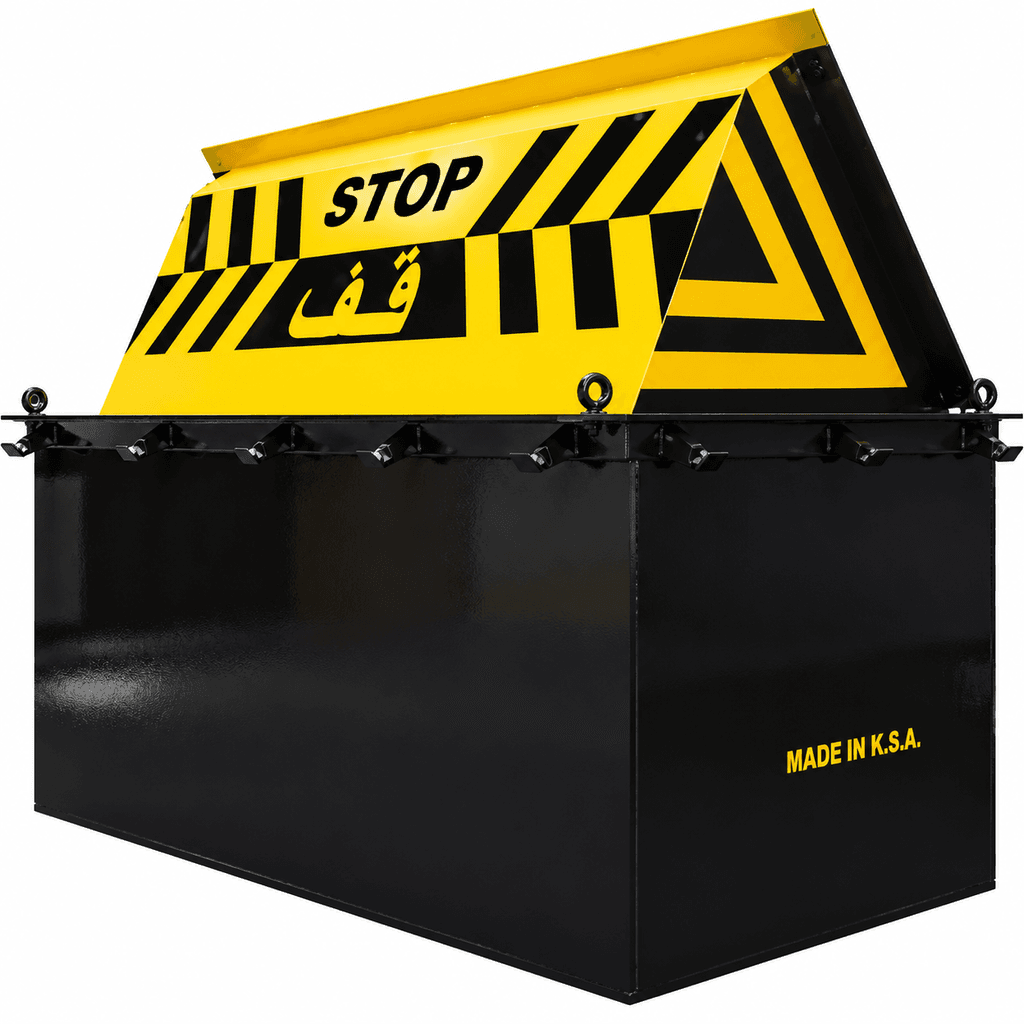
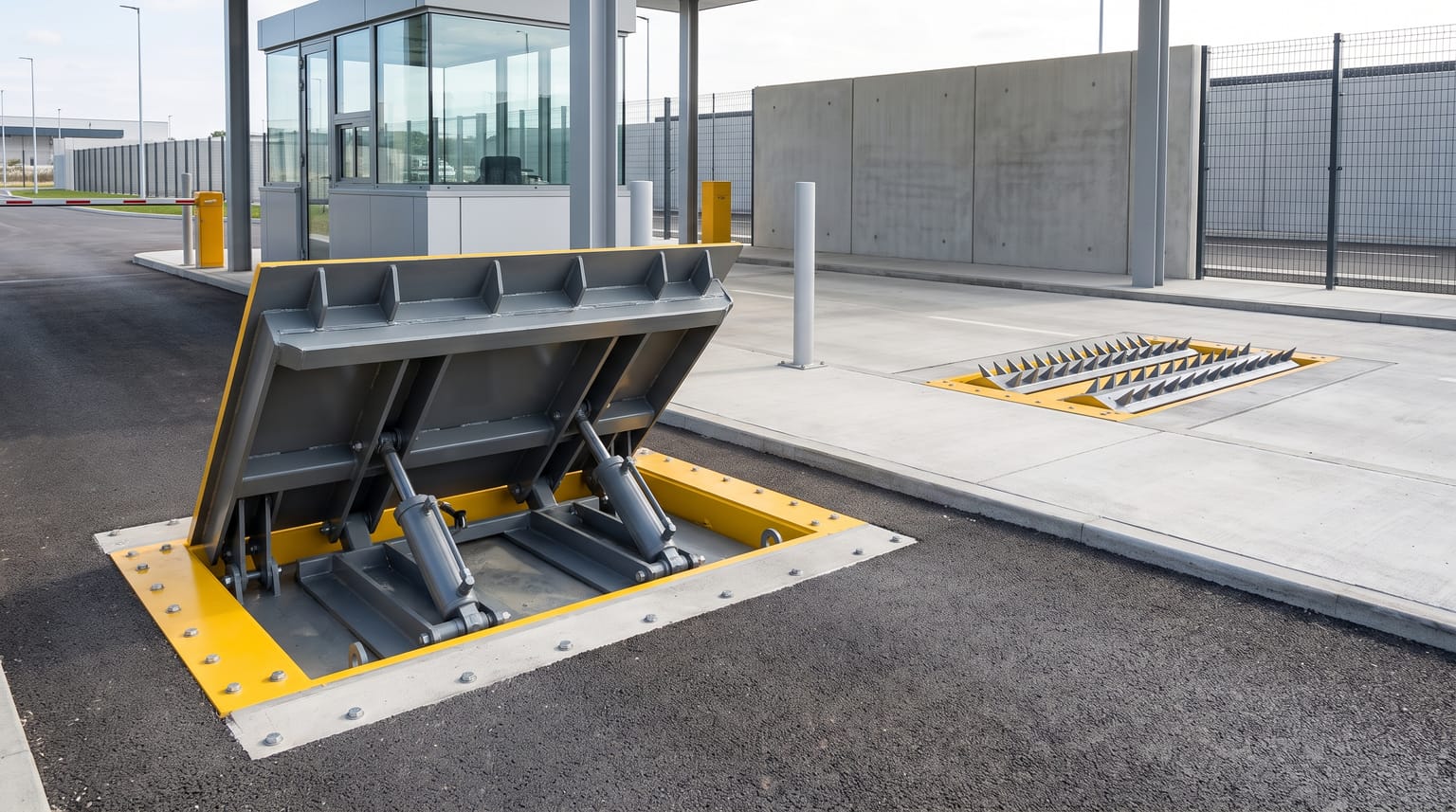
- A hydraulic road blocker closes the entrance completely, rising to 800–1100 mm, and lowers for authorised vehicles.
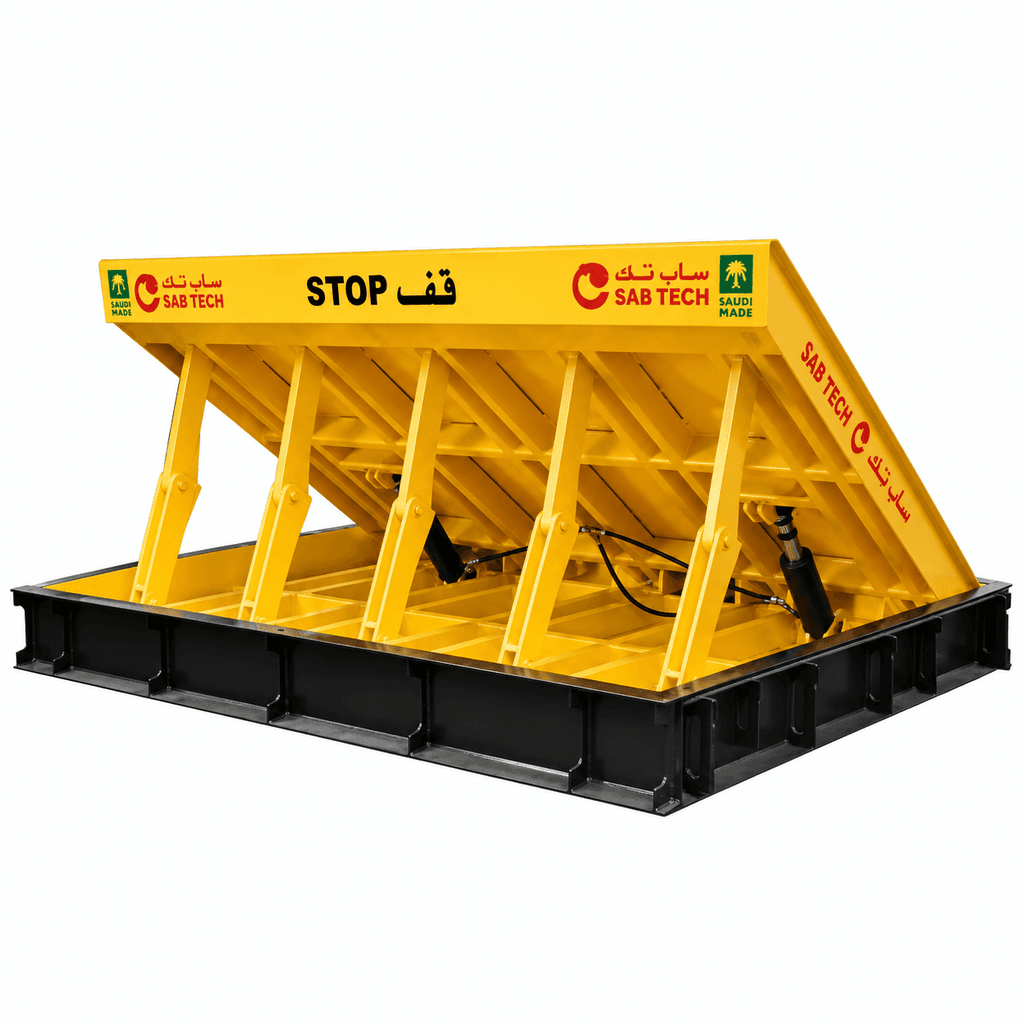
- If the project requires an anti-ram rating, the two models tested to PAS 68 (at 3 m width) are the RB3M1000CT high-security road blocker and the RBS3MCT high-security shallow road blocker.
Modern vehicle barrier selection guidance emphasizes evaluating the expected threat, required protection level, site conditions, operational requirements, and access control measures before selecting a system.
Hydraulic Barriers for Controlled Vehicle Access
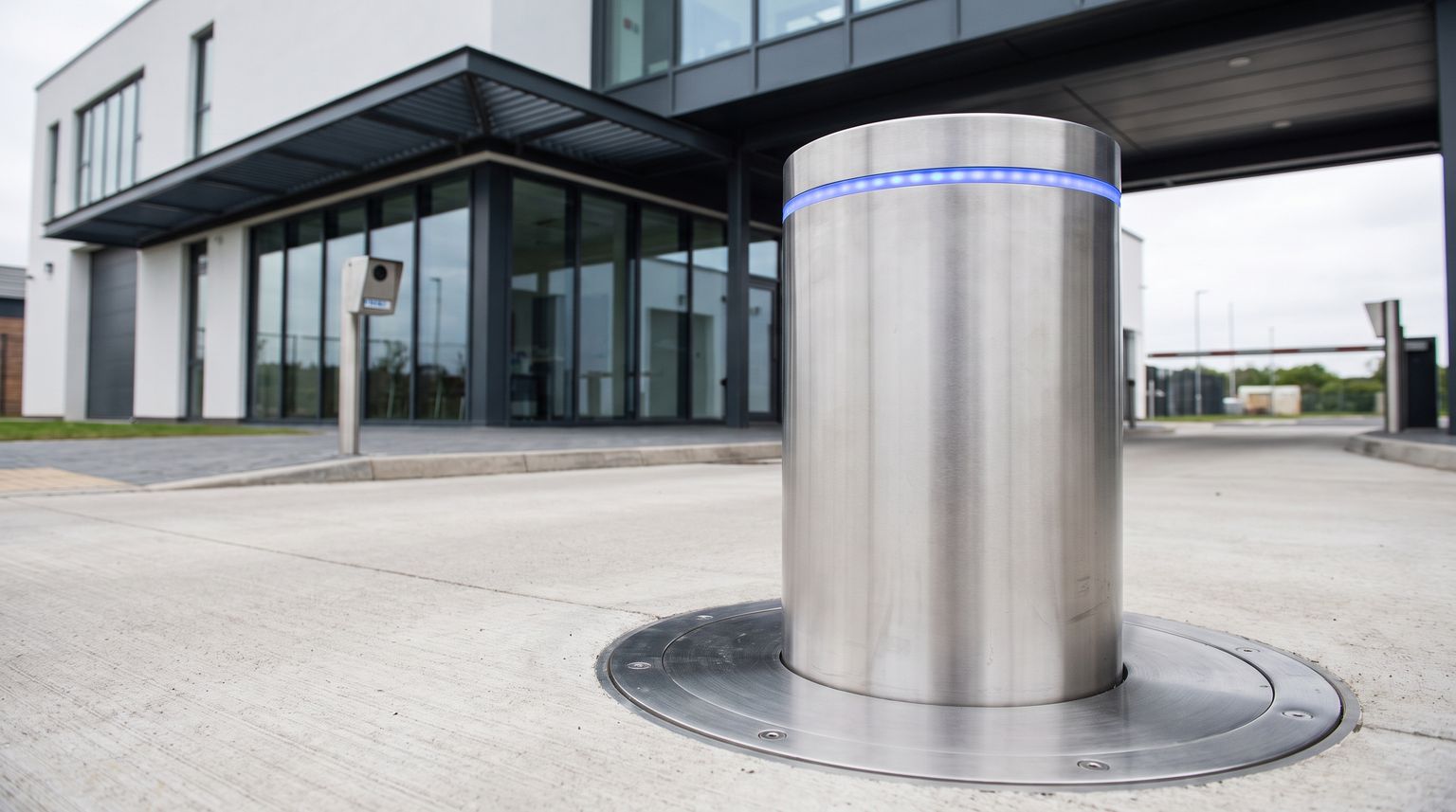
Hydraulic security barriers, including road blockers and vertical bollards, provide a physical method of controlling vehicle access at protected entrances.
For facilities exposed to vehicle impact threats, barriers can be evaluated through dedicated crash-testing procedures. ASTM F2656/F2656M provides a standardized method for crash testing vehicle security barriers and establishing penetration performance ratings.
However, a test result should not be interpreted as a guarantee of identical performance at every installation. Site conditions, soil characteristics, vehicle approach paths, and impact locations can affect actual performance.
Tyre Killers for Traffic Direction Control
Tyre killers serve a different primary purpose from heavy vehicle-impact barriers. They are generally used to control vehicle direction and prevent unauthorized movement in the restricted direction.
These systems use steel teeth or spikes positioned across the vehicle lane. Depending on the design, vehicles can pass in the permitted direction while movement in the opposite direction is restricted.
This makes tyre killers suitable for one-way entrances, parking facilities, and controlled access points where traffic direction is an important security requirement.
Vehicle Intrusion Protection vs. Traffic Direction Control
Hydraulic barriers and tyre killers should not be treated as interchangeable solutions.
Crash-tested vehicle barriers are designed and evaluated for specific vehicle-impact scenarios, while tyre killers primarily address unauthorized movement against the permitted direction.
The ASTM E3335 guide to the design, selection and application of vehicle security barriers categorizes them as active or passive, and covers threat analysis, access control measures and site conditions as part of selection.
Installation Conditions Matter
The physical characteristics of the site can significantly influence the appropriate barrier solution.
Some recessed hydraulic barriers require excavation and below-ground civil works. Surface-mounted systems can provide an alternative where deep excavation is difficult or unsuitable.
Similarly, certain tyre-killer systems can be installed directly on the road surface, which can be useful where underground utilities or structural limitations restrict excavation.
Key Factors When Selecting a Vehicle Barrier
A proper selection process should consider:
- Types of vehicles expected at the entrance.
- Threat level and potential vehicle intrusion scenarios.
- Vehicle traffic direction.
- Available installation space.
- Excavation and civil-work limitations.
- Required opening and closing speed.
- Integration with access control systems.
- Safety requirements for personnel and pedestrians.
- Documented impact-test performance where applicable.
ASTM guidance on vehicle security barrier selection highlights threat assessment, performance requirements, access control, and site-specific conditions as important considerations in the selection process.
Tyre killer vs road blocker: catalogue comparison
| Item | Tyre killer | Hydraulic road blocker |
|---|---|---|
| Purpose | Controls traffic direction and punctures wrong-way tyres | Closes the entrance completely, opens for authorised vehicles |
| Raised height | 150–250 mm spikes | 800–1100 mm |
| Lane width covered | 2000–6000 mm (barrier length) | 2000–6000 mm |
| Rise time | 1.5–3 seconds | 4–6 seconds |
| Operation | Electro-hydraulic or mechanical counterweight | Hydraulic, with a hand pump for power cuts |
Source: SAB TECH catalogue approved by Bestolex; full details on the product page.
If the project requires an anti-ram rating, note that neither the tyre killer nor the standard road blocker in the table has a crash-test certificate. Two high-security models do: the high-security road blocker RB3M1000CT, rated PAS 68:2013 V/7500[N3]/80/90:-1.5/4.6 and IWA 14-1:2013 V/7200[N3C]/80/90:-0.9 (certificate TC-12055-3532-19475-EN), and the high-security shallow road blocker RBS3MCT, rated PAS 68:2013 V/7500[N3]/80/90:-1.4/16.2 (certificate TC-12055-4574-19988-2-EN). Both were tested at 3 m width by crashtest-service.com (CTS) in Münster, Germany, and each rating applies only to the tested width and foundation. The rating codes are explained in our article on road blocker impact ratings.
Conclusion
Selecting a vehicle security barrier starts with understanding the function of the system and the threat it is intended to address. Hydraulic road barriers and vehicle-impact barriers serve different purposes from tyre killers, while installation conditions can also determine which solution is technically suitable.
A well-planned selection process should therefore connect the barrier type with threat assessment, operational requirements, site conditions, and documented performance testing where required.
Choosing a vehicle barrier in Qatar
In Qatar, tyre killers and road blockers are typically specified at government gates, critical facilities, ports, industrial sites and commercial complexes, and the consultant often sets the entrance requirements in the project specification. So Bestolex starts with a survey of the entrance: road width, vehicle types and traffic, buried services, and how the system ties into access control. One entrance can combine more than one barrier, such as a tyre killer at the exit and a road blocker at the entry.
What to prepare before asking for a quote
- The entrance width, number of lanes and photos
- Vehicle types and weights, and traffic per hour
- Whether the project specification requires an anti-ram rating, and to which standard
- How it should link to access control (cards, remote control, number plate recognition)
- A drawing of buried services, if available
Bestolex is the exclusive SAB TECH agent in Qatar and handles the site survey, supply, installation, commissioning, operator training, maintenance and spare parts. Browse the full range under perimeter protection. To discuss your site, request a site survey or a quotation, or message us on WhatsApp at +974 51505014.