
Waste handling is a daily operational challenge for large commercial and industrial facilities. In hospitality, healthcare, retail and food processing, the volume of commercial waste and recyclable packaging grows as operations expand, and so does the case for a waste compactor.
- A waste compactor compresses general waste, cardboard and packaging inside a sealed container, so it is emptied less often, needs fewer collection trips and keeps the service area cleaner.
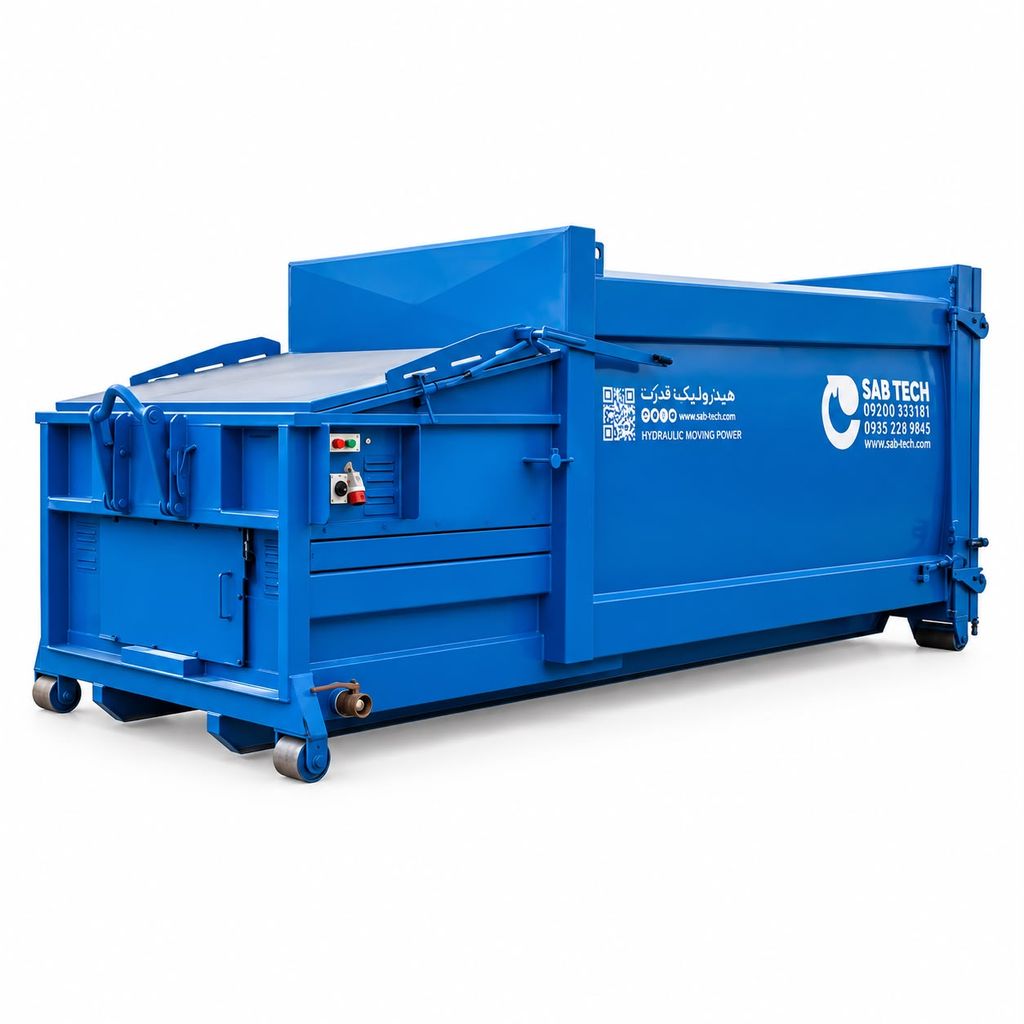
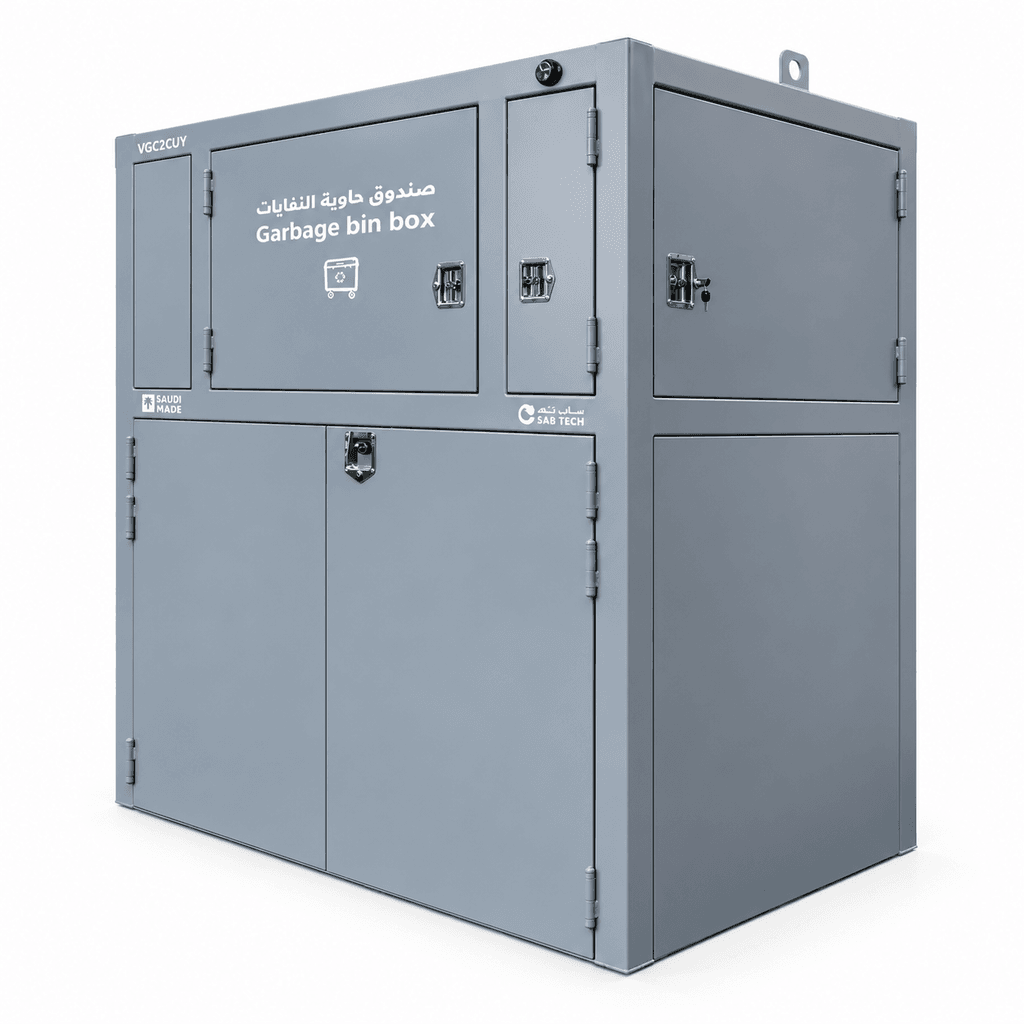
- According to the Bestolex catalogue, the large horizontal refuse compactor has a 5:1 compaction ratio and the 2CY vertical garbage compactor 4:1.
- Compactors suit hotels, shopping centres and food plants, and hospitals for general, non-medical waste only.
Loose, unmanaged waste spoils the look of a facility, can cause hygiene, pest and environmental problems, and costs money in frequent hauling of bins that are largely full of air. Industrial waste compactors are a practical way to deal with this.
An Enclosed Design for Orderly Service Areas
In large facilities, waste disposal now calls for logistics planning and cost control, not just collection. Industrial waste compactors are designed to take large volumes of commercial waste, residual waste and recyclables.
Because the waste is held in an enclosed container, the compactor helps keep loading docks and service areas clean, limits odours and prevents open bins from overflowing. Daily waste handling becomes more orderly, and back-of-house yards turn from overflow areas into organised, safer work areas.
The Hydraulic System and Horizontal Pressing Plate
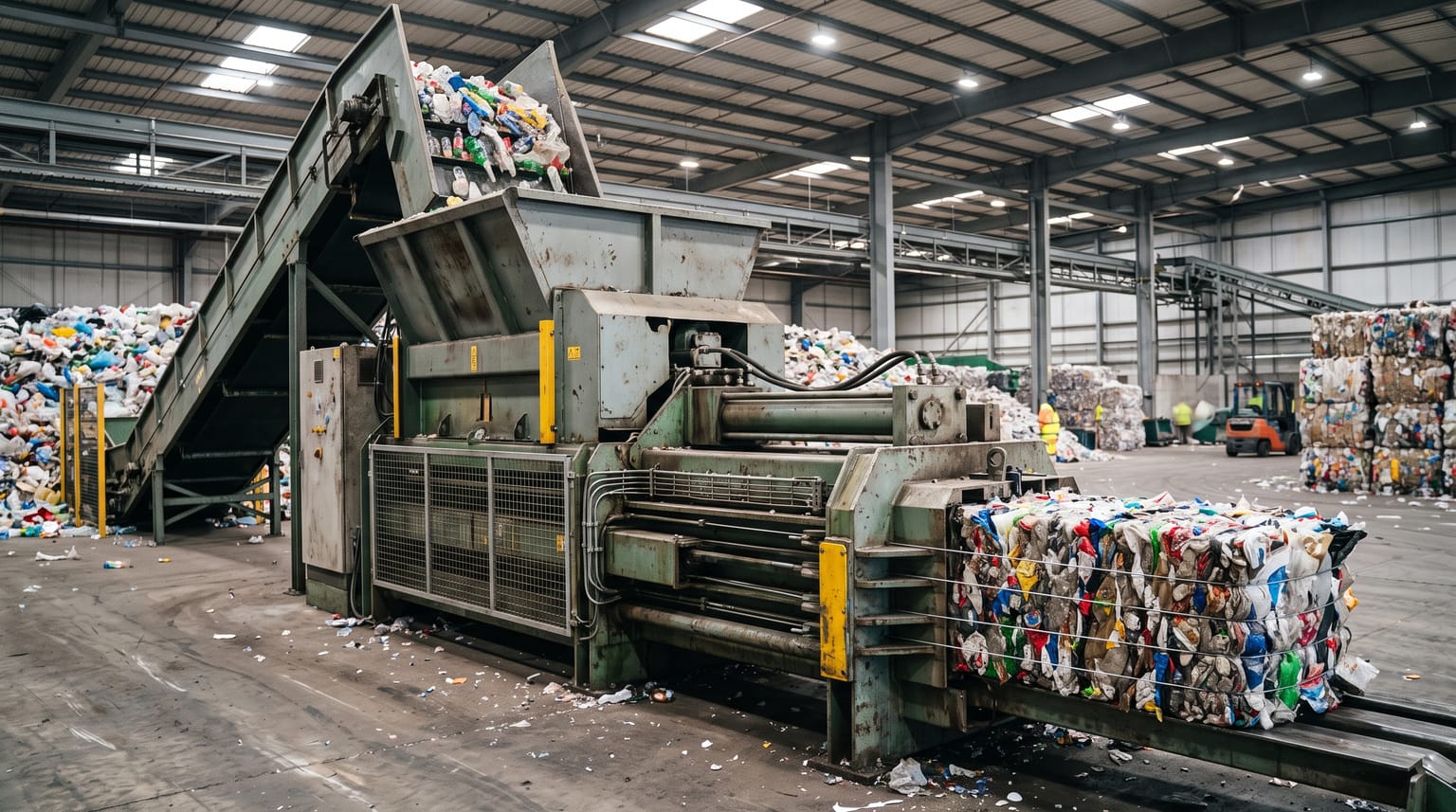
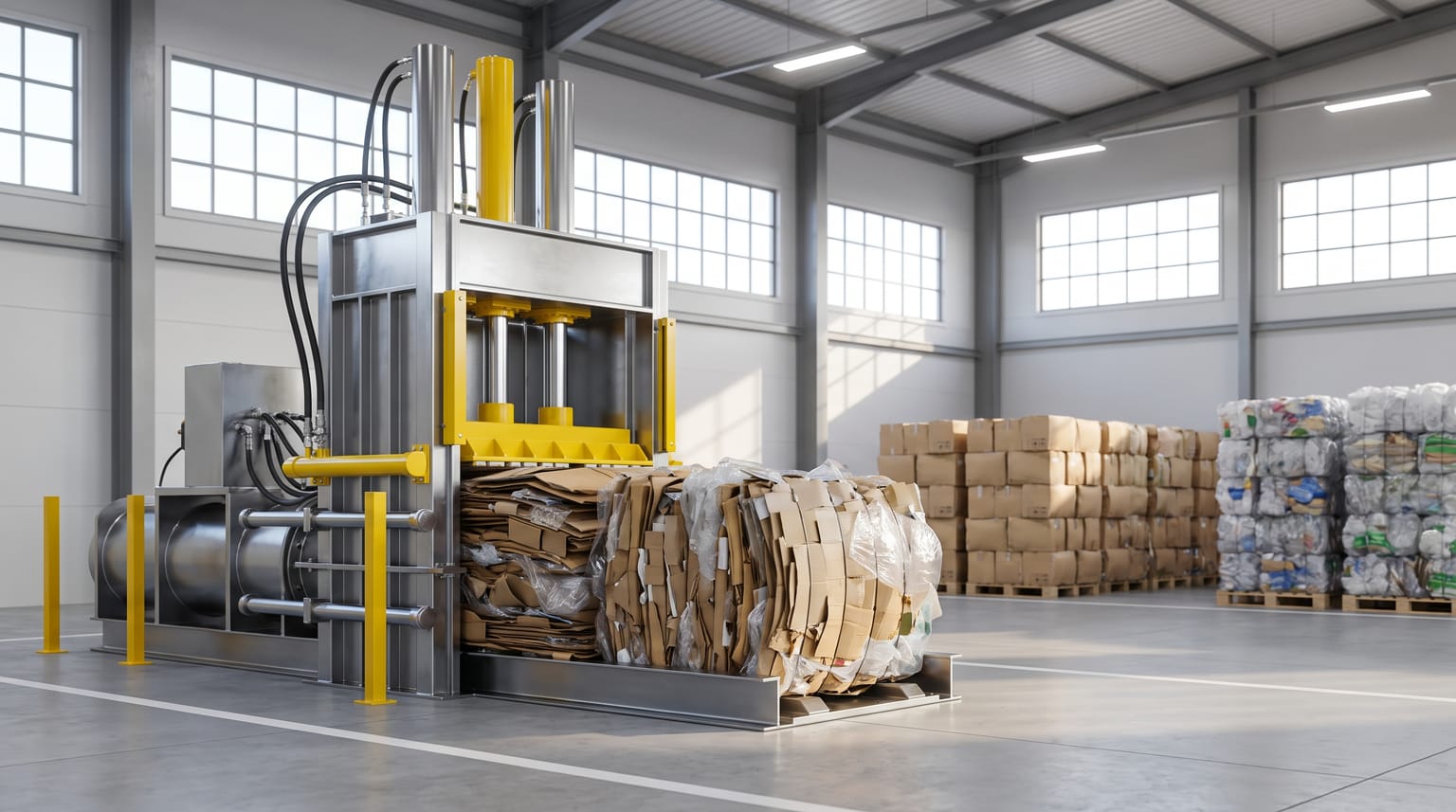
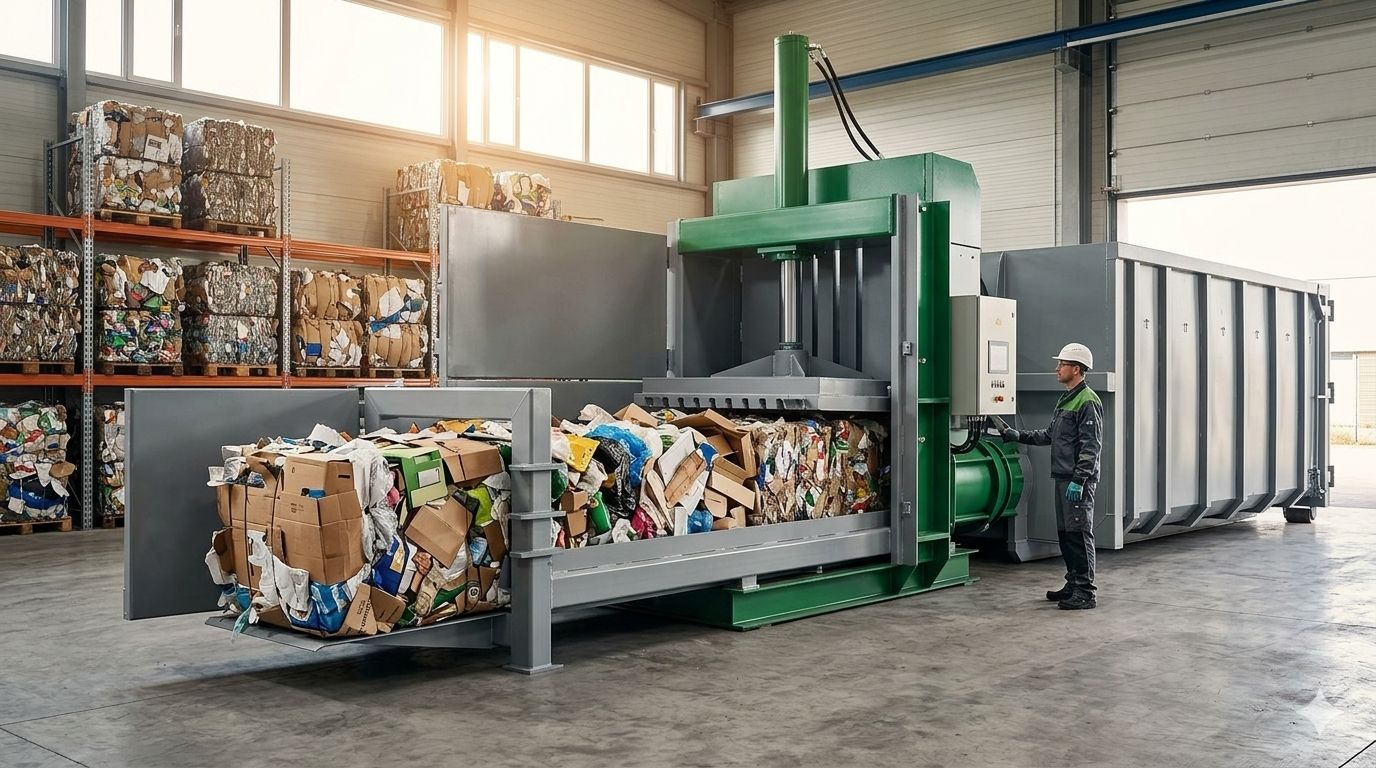
Horizontal compactors use a hydraulic system to drive a horizontal pressing plate. When cardboard, plastic film or general commercial waste is loaded through the feed opening, the plate pushes it into the container and forces out the air, so the waste ends up much smaller and more compact.
This volume reduction lowers hauling costs. According to the Bestolex catalogue, the large horizontal refuse compactor has a 5:1 compaction ratio, so waste shrinks to about a fifth of its loose volume, the container is emptied less often and fewer collection trips are needed. The actual saving depends on the type and daily quantity of waste and on the facility's haulage contract. Fewer trips also mean lower emissions from collection trucks.
Where Horizontal Waste Compactors Are Used
The catalogue recommends horizontal compactors for hotels, hospitals, shopping malls, supermarkets and food processors, each for its own reasons:
- Hotels and resorts: cleanliness is part of the guest experience, and an enclosed compactor keeps the hotel's waste out of guests' sight.
- Hospitals and healthcare facilities: for general, non-medical waste only. The compactor keeps this waste in a closed container and helps keep service areas clean. Medical waste has its own collection and treatment requirements.
- Shopping malls and large supermarkets: they receive large volumes of shipping cartons, plastic film and retail waste every day, and compacting it frees up back-of-house storage space.
- Food processing plants: they produce organic waste and perishable packaging, which an enclosed compactor keeps contained, helping the plant meet hygiene requirements.
Waste compactors from Bestolex: catalogue comparison
The table compares three compactors from the Bestolex catalogue that differ in feed opening size and in the space they take up:
| Item | Large horizontal compactor | Beringer refuse compactor | 2CY vertical compactor |
|---|---|---|---|
| Compaction ratio | 5:1 | — | 4:1 |
| Feed opening | 2500 × 2500 mm | 1380 × 2090 mm | 1220 × 768 mm |
| Dimensions | 6400 × 2550 × 2650 mm | — | 2205 × 1325 × 2280 mm |
| Motor power | 4.0 kW | — | 2.2 kW |
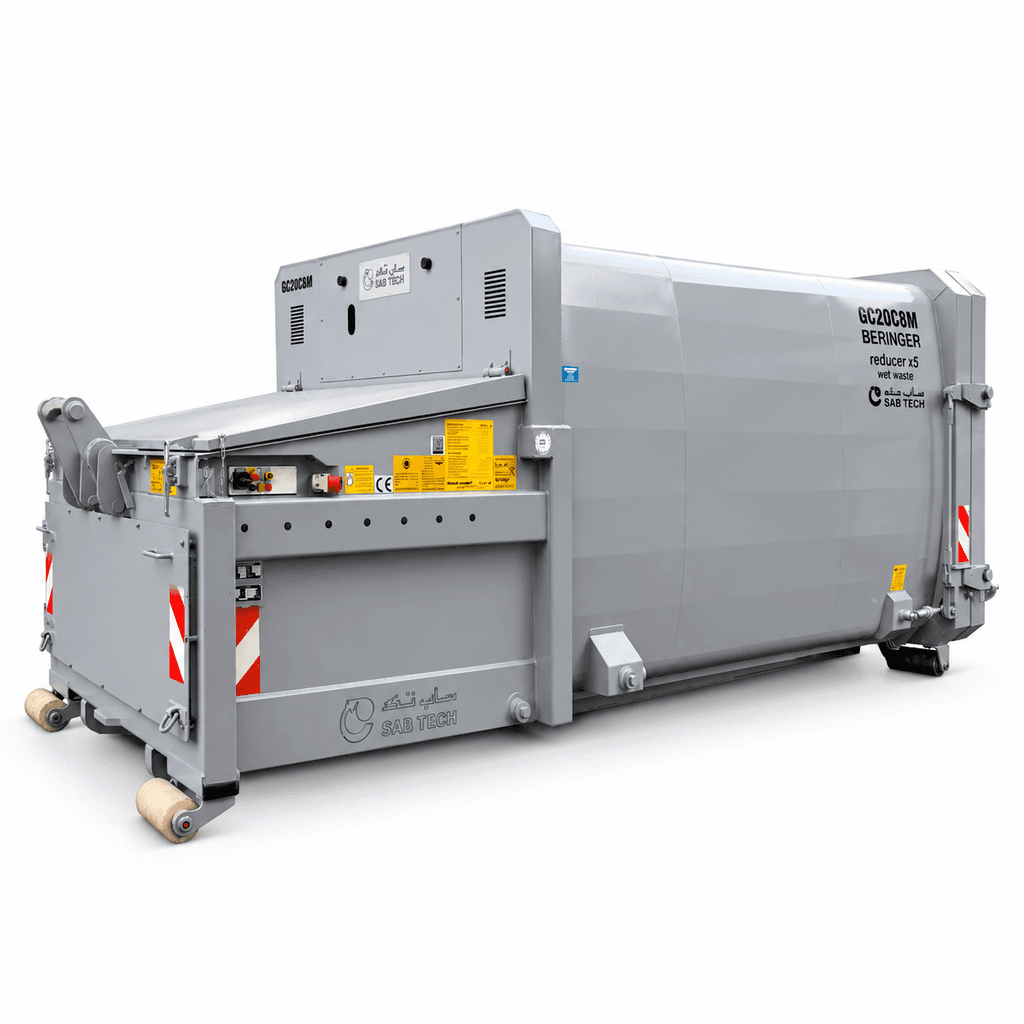
| Notable features | Horizontal pressing plate for large volumes | Liquid-tight up to 250 mm, full indicator at 80% | 25-second cycle, full indicator, safety switch on the top door |
Source: Bestolex product catalogue; full details on the product page. Cells marked — are not stated in the catalogue.
Which compactor suits your facility?
- Large horizontal compactor: for high volumes and a large service yard; it is 6400 mm long with a 2500 × 2500 mm feed opening.
- 2CY vertical compactor: for tighter spots such as residential and commercial complexes, with a 2 cubic yard container and a 2205 × 1325 × 2280 mm body.
- Beringer compactor: where the waste contains liquids; the catalogue states it is liquid-tight up to 250 mm.
In every case, a site survey sets the right size after checking the daily quantity, the container position and truck access.
Conclusion
A waste compactor helps large facilities cut waste volume and collection trips and keep service areas cleaner. The type and size of compactor should be chosen by the type and daily quantity of waste, the space available and the collection arrangement, not by pressing force alone.
Waste compactors for hotels and hospitals in Qatar
According to Qatar News Agency, Qatar's national environment and climate strategy aims to close and rehabilitate unsanitary landfills and reach a 15% material recycling rate for municipal waste. At facility level, Bestolex starts with the type and daily quantity of waste and the space available before proposing a compactor type and size.
What to prepare before asking for a quote
- The waste type (general waste, cardboard and packaging, food waste), with medical waste kept separate in hospitals
- The daily or weekly quantity
- The space available, the ceiling height if the spot is indoors, and access for the collection truck
- How often waste is collected now, and who hauls the container
- Photos of the installation spot
Bestolex is the exclusive SAB TECH agent in Qatar. It supplies the compactors in its catalogue, including the SAB TECH 2CY vertical garbage compactor, and handles the site survey, supply, installation, commissioning, operator training, maintenance and spare parts. Browse the full range under waste & recycling. To discuss your site, request a site survey or a quotation, or message us on WhatsApp at +974 51505014.