Modern industrial and logistics facilities depend on much more than production speed and storage capacity. The ability to move materials safely and efficiently between different working levels has become a critical factor in maintaining operational excellence.
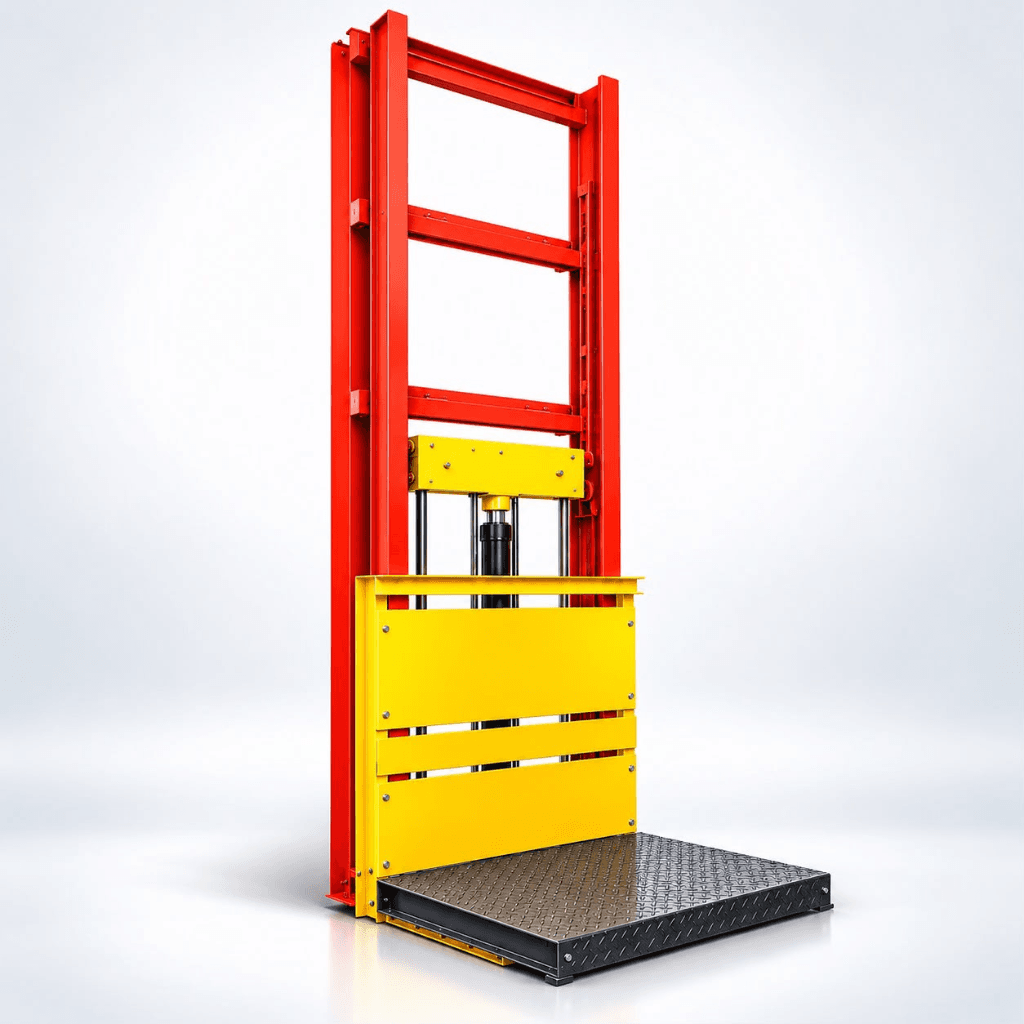
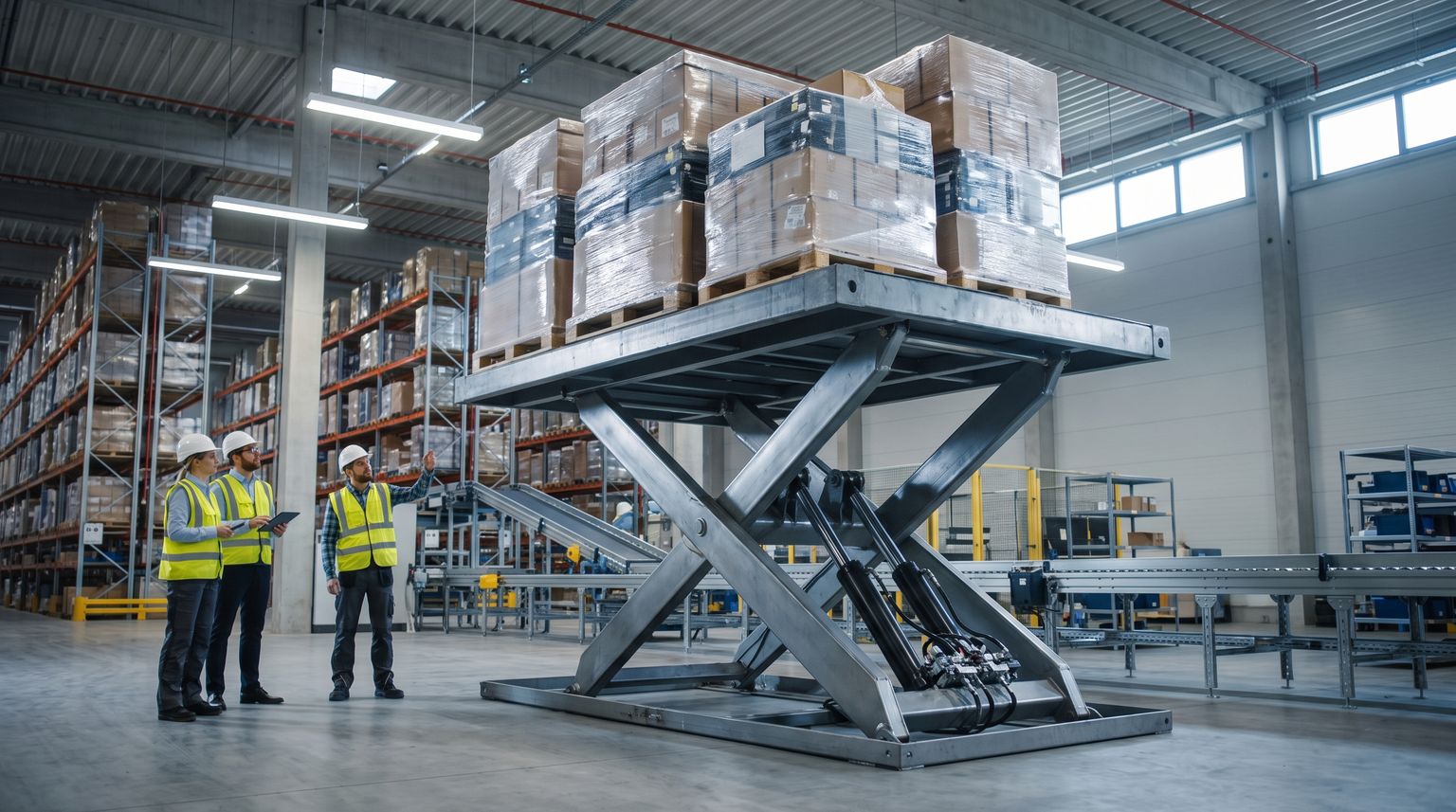
- A hydraulic cargo lift moves goods and materials between the levels of a warehouse or factory, such as basement, ground floor and mezzanine, instead of carrying them up and down stairs by hand.
- It carries up to 3 tonnes and lifts up to 10 metres on a 1500 × 1500 mm platform, and the capacity and height can be customised within these limits, according to the catalogue.
- It is wall-mounted, so it takes little floor space, indoors or outdoors, with an optional protective enclosure for goods and people.
As warehouses, manufacturing plants, and distribution centers continue to grow, organizations require reliable solutions that can handle heavy loads while supporting fast and consistent workflows.
Efficient vertical material handling plays a major role in achieving these objectives.
The Importance of Vertical Transportation
Many facilities operate across multiple levels that include production areas, storage locations, processing sections, and shipping zones.
Moving materials between these levels can become a significant operational challenge if appropriate lifting solutions are not available. Delays in material movement often create workflow bottlenecks that affect productivity across the entire facility.
Modern lifting systems help overcome these challenges by ensuring smooth and reliable vertical transportation.
Managing Heavy Loads Safely
Handling heavy materials requires more than lifting power alone.
Facilities need equipment capable of maintaining stability, minimizing movement deviations, and supporting safe operation under demanding working conditions. Reliable lifting solutions help reduce risk while ensuring that goods and materials can be transported efficiently.
This is particularly important in environments where material movement occurs continuously throughout the day.
Improving Productivity Across Operations
Operational efficiency depends heavily on the speed with which materials move through a facility.
When lifting and transportation processes become faster and more organized, employees can spend more time focusing on productive activities instead of manual handling tasks. This creates smoother workflows and supports greater resource utilization.
As a result, businesses benefit from improved performance and higher operational output.
Safety as a Strategic Priority
Workplace safety remains a key objective for every industrial organization.
Modern lifting systems are designed to support safer material movement while helping reduce risks associated with heavy-load handling. A safer working environment contributes to fewer disruptions and stronger operational continuity.
Organizations that prioritize safety often experience improved efficiency and better long-term performance.
Supporting Modern Warehousing and Distribution
Distribution centers depend on continuous product flow to meet customer expectations.
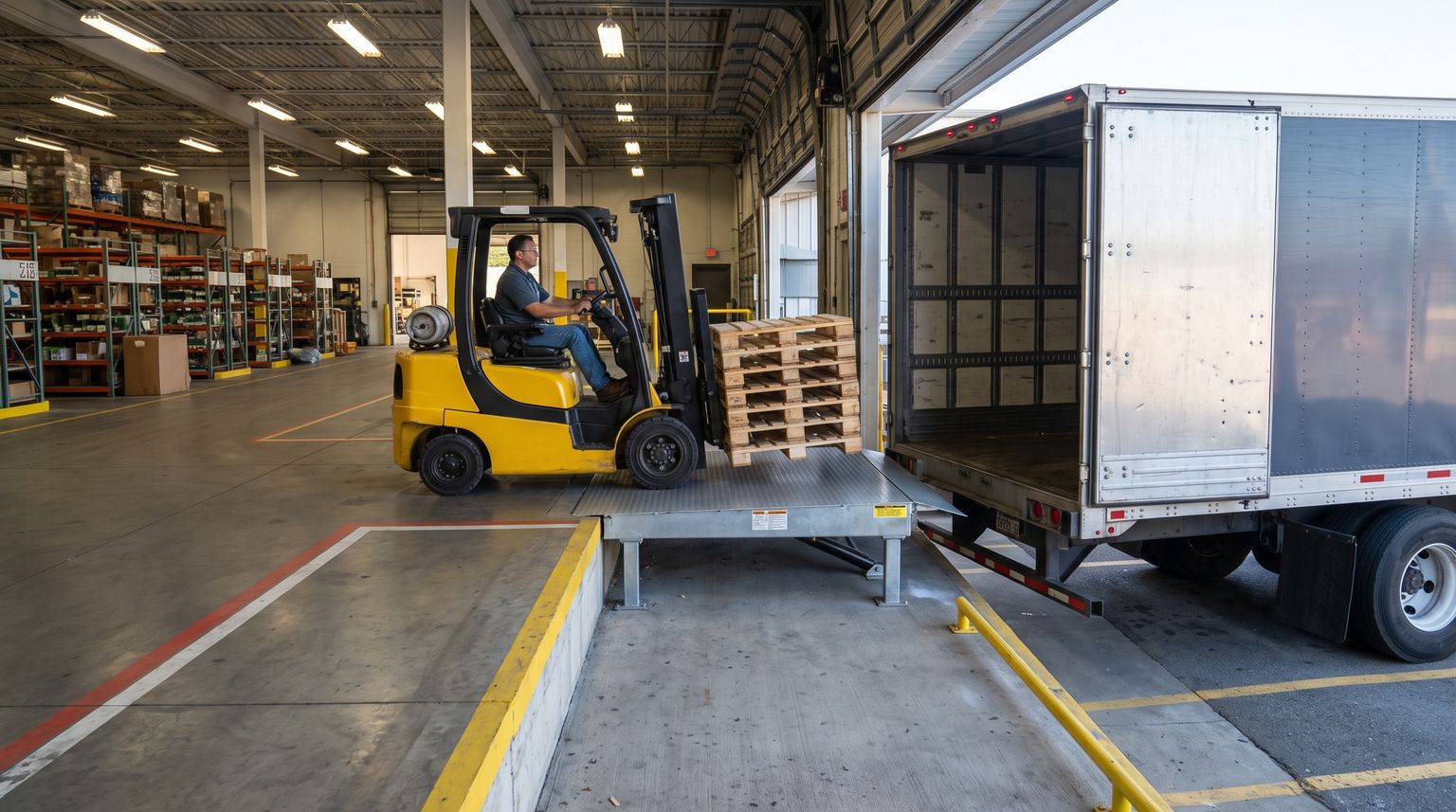
Efficient lifting solutions help accelerate loading, storage, and shipment preparation activities while reducing handling times. This allows facilities to process greater volumes of materials without significantly increasing operational complexity.
The result is a more agile and responsive logistics environment.
Reducing Operational Costs
Investments in the right material handling equipment can pay off over the long term.
Improved efficiency, reduced downtime, enhanced safety, and faster workflows all contribute to lower operating costs and stronger returns on investment. These advantages become increasingly important as organizations scale their operations.
The Future of Material Handling
Industrial facilities continue to adopt technologies that improve efficiency and support sustainable growth.
Advanced lifting solutions are becoming a central component of modern operations because they help organizations improve productivity, optimize resources, and maintain safe working environments.
As industries evolve, the demand for reliable vertical handling systems will continue to grow.
SAB TECH hydraulic cargo lift: key specifications
These are the main specifications of the cargo lift supplied by Bestolex:
| Specification | Value |
|---|---|
| Platform Dimensions | 1500 × 1500 mm |
| Lifting Height | Up to 10 meters (10000 mm) |
| Lifting Motor Power | 4.0 kW |
| Max Capacity | Up to 3 tonnes (3000 kg) |
| Mounting | Wall-mounted, indoors or outdoors |
| Options | External enclosure and platform guard rails |
Source: SAB TECH catalogue approved by Bestolex; full details on the product page.
Conclusion
Efficient vertical material handling is essential for modern industrial success. By supporting productivity, improving workplace safety, and streamlining operational workflows, advanced lifting solutions help organizations create stronger, more efficient, and more competitive facilities.
Cargo lifts in Qatar
Warehouses, factories and commercial buildings in Qatar differ in the number and height of their floors and mezzanines and in the goods moved between them, so Bestolex surveys the site and measures heights and space before proposing a cargo lift. The number and height of levels, the weight and type of load, and the mounting position are confirmed before the specification is agreed.
What to prepare before asking for a quote
- The number and height of levels
- The maximum load and type of goods
- The platform size needed
- The mounting position, indoors or outdoors
- Photos of the site
Bestolex is the exclusive SAB TECH agent in Qatar and handles the site survey, supply, installation, commissioning, operator training, maintenance and spare parts. Browse the full range under loading systems. To discuss your site, request a site survey or a quotation, or message us on WhatsApp at +974 51505014.