Modern warehouses continuously search for ways to improve operational efficiency while making the best possible use of available space. While storage systems and inventory management often receive significant attention, loading areas remain one of the most important factors affecting the flow of goods throughout a facility.
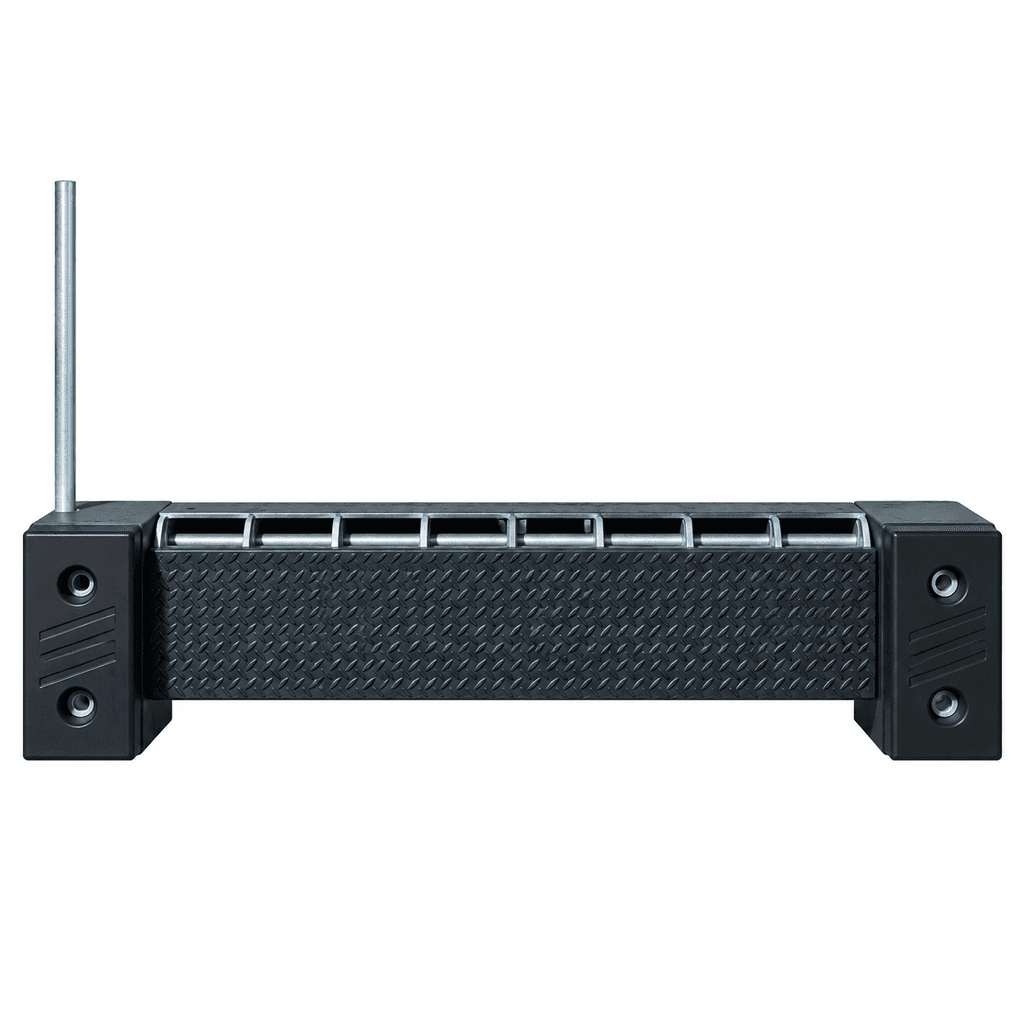
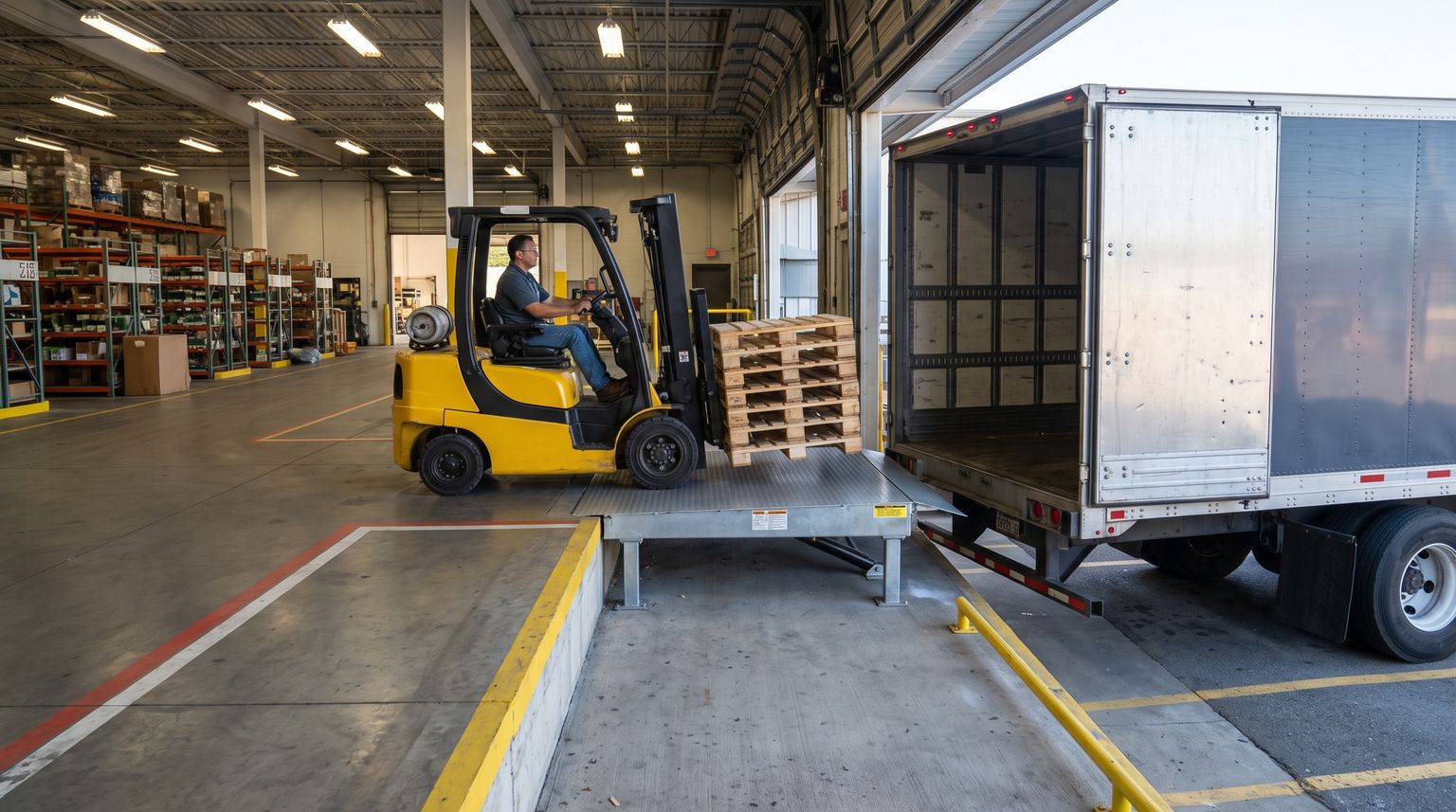
- Among compact loading solutions, a mini dock bridges the gap between the dock edge and the truck bed, and is surface-mounted on the dock edge with no concrete pit.
- It carries a dynamic load of up to 6 tonnes, comes in 1800 and 2100 mm widths and has a 352 mm hinged lip, according to the catalogue.
- Because it needs no pit, it suits existing docks where construction work is not possible, and it has a special anti-corrosion coating.
In many facilities, space limitations or existing building layouts make it difficult to implement large loading infrastructure. This is where compact solutions help, because they can improve loading efficiency without requiring extensive construction work or major facility modifications.
Space Constraints in Modern Logistics
Many warehouses operate within existing buildings where expansion opportunities are limited.
In these environments, loading operations must be optimized within restricted spaces while still ensuring efficient goods movement. Small differences between truck heights and loading areas can slow operations and reduce overall productivity if not addressed properly.
As a result, businesses increasingly seek flexible solutions that can enhance cargo handling without occupying valuable operational space.
Fast Installation, Faster Results
Warehouse operators often need improvements that can be implemented quickly.
Solutions that require minimal installation work allow facilities to become operational faster while reducing downtime associated with construction projects. This flexibility is particularly valuable for businesses that cannot afford lengthy interruptions to daily operations.
Fast deployment also enables facilities to respond more effectively to changing logistics requirements.
Supporting Efficient Freight Movement
Smooth transitions between transport vehicles and warehouse floors are essential for maintaining productivity.
When forklifts and operators can move cargo efficiently between loading zones and storage areas, facilities experience fewer bottlenecks and improved workflow consistency.
This contributes to faster loading cycles, improved shipment handling, and better overall logistics performance.
Maximizing Available Space
Space remains one of the most valuable assets within any logistics facility.
Compact loading equipment allows organizations to maintain operational flexibility without sacrificing large portions of loading dock space. This creates a more organized work environment and improves movement efficiency for both personnel and equipment.
Efficient use of available space becomes even more important as shipment volumes continue to grow.
Safety and Operational Reliability
Warehouse safety is directly linked to operational efficiency.
Stable cargo transfer zones help reduce handling risks while providing greater confidence for forklift operators and warehouse teams. Safer loading operations reduce disruptions and support more consistent daily performance.
Protecting both employees and cargo remains a key priority for modern distribution facilities.
Long-Term Operational Advantages
Simple and efficient equipment often delivers significant value over its lifespan.
Lower maintenance requirements, easier operation, and reliable performance contribute to reduced ownership costs while supporting continuous warehouse productivity.
Businesses that invest in practical loading solutions often benefit from improved resource utilization and stronger long-term operational performance.
The Future of Flexible Loading Operations
As logistics facilities continue evolving, demand for adaptable and space-efficient solutions will increase.
Organizations are seeking equipment that can support growth without requiring extensive infrastructure changes. Compact loading systems meet this objective by providing flexibility, efficiency, and ease of implementation.
Inkema mini dock: key specifications
These are the main specifications of the mini dock supplied by Bestolex:
| Specification | Value |
|---|---|
| Max Dynamic Load | 6 Tons (6000 kg) |
| Hinged Lip Width | 352 mm |
| Model 1800 | L: 310 mm | W: 1800 mm | H: 535 mm |
| Model 2100 | L: 310 mm | W: 2100 mm | H: 535 mm |
| Installation Type | Surface Mounted (No Pit Required) |
| Protection Coating | Special Anti-Corrosion Coating |
Source: Inkema catalogue approved by Bestolex; full details on the product page.
Conclusion
Efficient loading operations are not defined by the size of the equipment but by the value they bring to daily workflows. Compact loading solutions help warehouses improve cargo movement, maximize available space, enhance safety, and create a more productive logistics environment for long-term success.
Compact loading solutions in Qatar
Warehouses, distribution centres and factories in Qatar differ in dock height, truck types, yard space and the goods they handle, so Bestolex surveys the site and measures heights and space before proposing a loading solution. The height difference between the dock edge and the beds of the trucks it serves is measured, and the width (1800 or 2100 mm) is chosen to suit the door opening.
What to prepare before asking for a quote
- The dock edge height and the lowest and highest truck bed heights
- The truck and container types served
- The maximum weight of load plus forklift
- The door width and height, and photos of the site
- How many loadings a day
Bestolex supplies Inkema loading equipment in Qatar and handles the site survey, supply, installation, commissioning, operator training, maintenance and spare parts. Browse the full range under loading systems. To discuss your site, request a site survey or a quotation, or message us on WhatsApp at +974 51505014.