
What Is Aircraft Refueling?
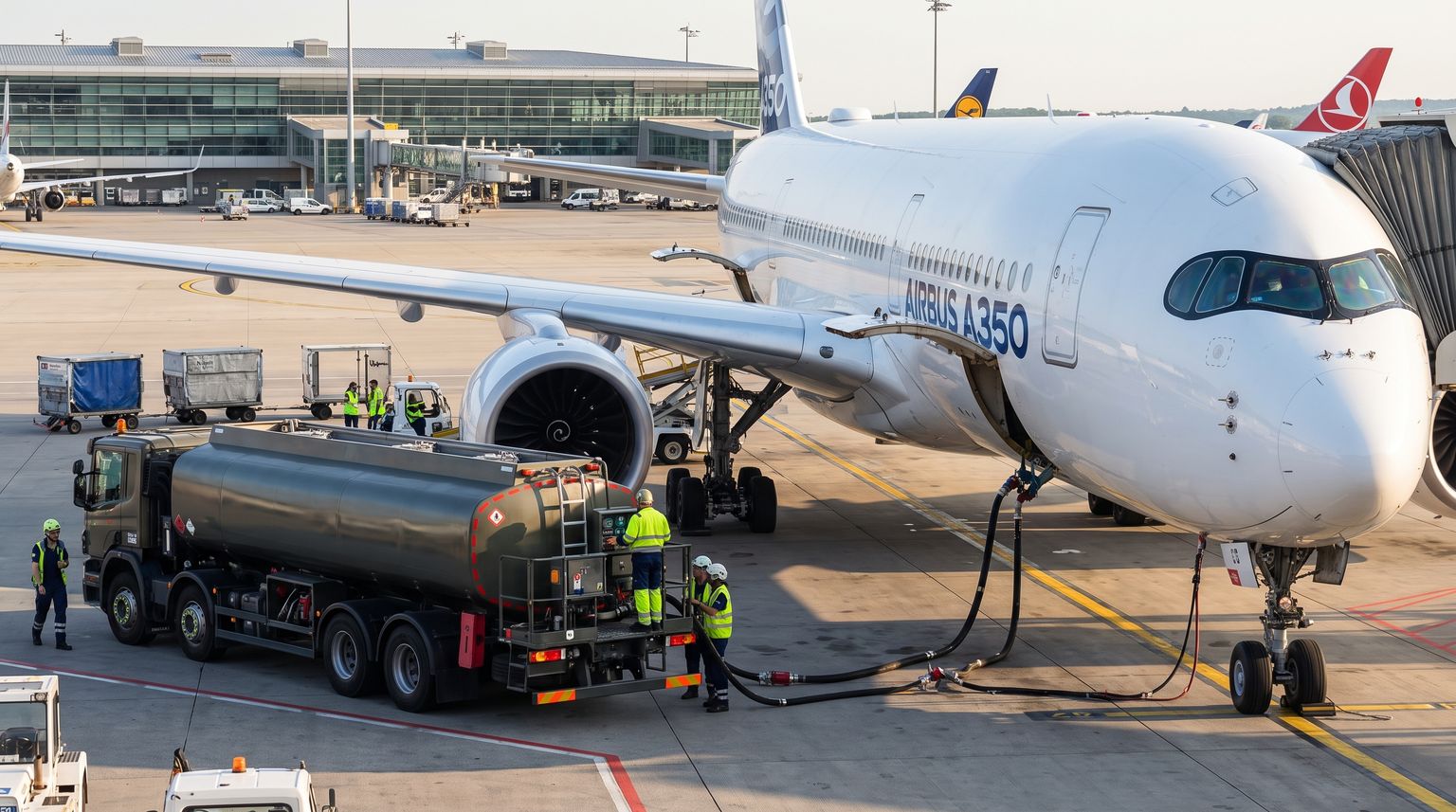
Aircraft refueling is the process of transferring aviation fuel from an airport fuel storage or distribution system into an aircraft’s fuel tanks before or during aircraft ground operations.
- An aircraft refueling truck delivers, filters and meters aviation fuel into the aircraft; the right one depends on tank capacity, flow rate, delivery pressure and the metering and filtration systems.
- When buying a used truck, the whole fueling system is inspected along with its maintenance and operating records, not just the capacity.
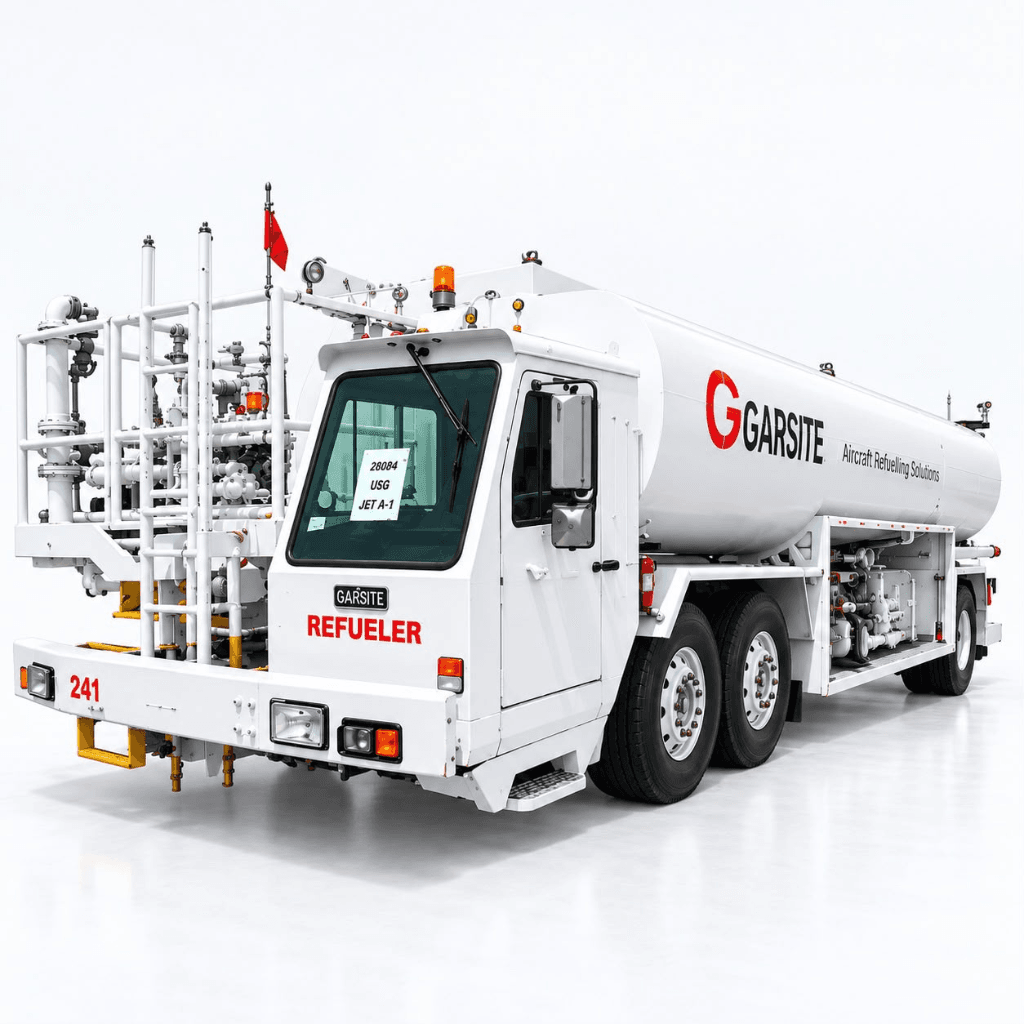
- Bestolex offers a 2011 Garsite 10,000 US gallon refueller previously operated at Hamad International Airport, available for inspection in Qatar.
The process involves much more than simply transferring fuel. It includes aviation fuel storage, transportation, filtration, fuel quality control, metering, pumping, pressure control, hose systems and operational safety procedures.
IATA fuel servicing guidance covers aviation fuel specifications, fuel quality, refueling procedures, fuel supply-chain quality, aircraft fuel systems and fuel handling.
Because aviation fuel is directly connected to aircraft operation, fuel quality and safe handling are critical parts of airline and airport operations.
What Types of Aircraft Refueling Equipment Are Used?
Aircraft fueling equipment varies according to airport infrastructure, aircraft requirements and the method used to distribute fuel.
Common equipment includes:
Aircraft Fueling Trucks
An aircraft refueling truck, also called an aircraft fuel truck or aircraft fueler, is a specialized vehicle designed to transport or dispense aviation fuel to aircraft.
A typical aircraft fuel truck can include:
- A fuel tank.
- Fuel pump.
- Metering system.
- Filtration system.
- Valves.
- Fuel hoses.
- Control systems.
- Safety equipment.
SAE ARP5818A provides design and performance guidance for aircraft refueling vehicles, including tanker vehicles and hydrant service vehicles used in airport fueling operations.
Hydrant Servicing Vehicles
Large airports may use an airport hydrant fuel system rather than relying entirely on trucks carrying fuel in their own tanks.
In this configuration, a hydrant service vehicle connects the aircraft to the airport's underground fuel distribution system.
This creates an important distinction between a conventional fuel tanker truck and a hydrant servicer.
JIG maintains separate standards for into-plane fueling operations and airport depots and hydrant systems.
Fixed Airport Fuel Systems
Large airports may have dedicated fuel storage facilities, pipelines, pumps, filtration systems and hydrant networks.
These systems transport aviation fuel from storage facilities to aircraft parking positions, where specialized fueling equipment delivers the fuel to the aircraft.
How Does an Aircraft Refueling Truck Work?
The operating principle of an aircraft fuel truck can be divided into several interconnected stages.
The vehicle is loaded with the appropriate aviation fuel or connected to an airport fuel source, depending on its configuration.
Fuel then passes through the appropriate filtration, control and metering components before reaching the aircraft.
A pump or suitable pressure system moves the fuel through the hoses and fueling connections, while operators monitor flow, pressure and delivered fuel quantity.
The fuel metering system is particularly important because it provides an accurate measurement of the amount of fuel delivered during the fueling operation.
Main Components of an Aircraft Fuel Truck
The exact configuration varies by manufacturer and model, but aircraft fueling vehicles commonly include several specialized systems.
Aviation Fuel Tank
The tank stores the aviation fuel carried by the vehicle.
Tank capacity determines how much fuel the truck can transport or dispense during a single operating cycle.
This is why aircraft fuel trucks are available in a wide range of capacities.
Fuel Pump
The fuel pump provides the flow required to transfer aviation fuel through the fueling system.
Pump performance must be compatible with the required flow rate, pressure and operating conditions.
Aviation Fuel Filtration
Aviation fuel filtration is an essential part of fuel quality management.
Aircraft fuel must be protected from water, particles and other contaminants that could affect fuel system performance.
JIG emphasizes the importance of clean, dry and on-specification aviation fuel and maintains technical work related to fuel quality and filtration.
Fuel Metering System
Fuel meters measure the amount of aviation fuel delivered to the aircraft.
Accurate metering supports operational control, fuel accounting and documentation.
Fuel Hoses and Couplings
Aircraft fueling systems require hoses and couplings designed for aviation fuel applications and the required pressure and flow conditions.
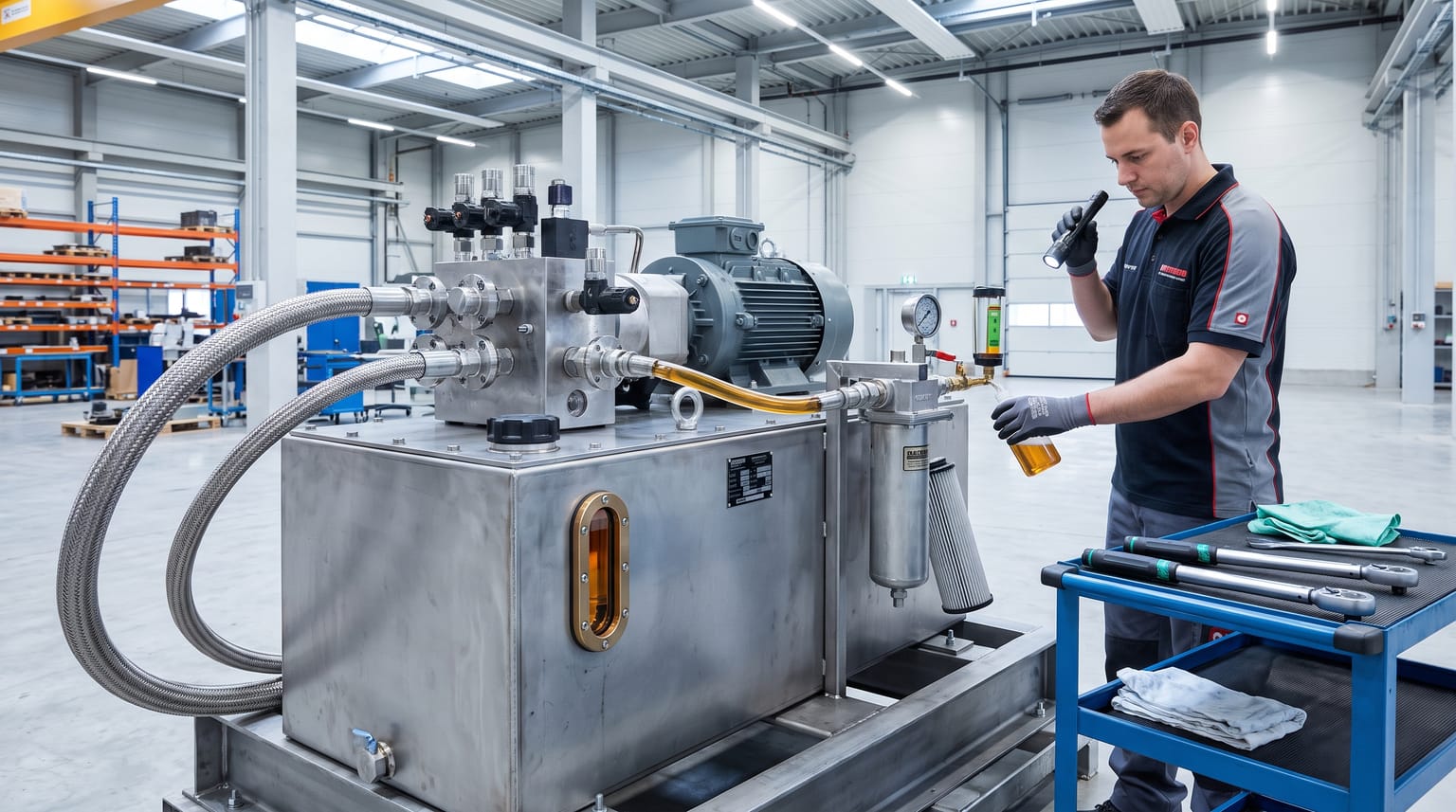
These components require appropriate inspection, maintenance and testing.
Valves and Control Systems
Valves and control systems regulate fuel flow, isolate sections of the system and help operators control the fueling process.
Why Is Aviation Fuel Quality Important?
Aviation fuel cannot simply be treated as a conventional liquid fuel.
Its quality must be maintained throughout the entire supply chain, including storage, transportation, filtration, distribution and aircraft refueling.
IATA guidance addresses aviation fuel characteristics, fuel handling, cleanliness, additives and fuel supply-chain quality.
JIG also focuses on the delivery of clean, dry and on-specification aviation fuel.
Water and Contamination in Aviation Fuel
Water, particles and other contaminants are important considerations in aviation fuel handling.
Fueling systems therefore incorporate inspection, draining, filtration and quality-control procedures.
JIG materials address fuel draining, equipment checks, filtration and fuel quality-control practices as part of into-plane fueling operations.
Fuel Truck vs. Fuel Dispenser
The terms fuel truck, fuel dispenser and aircraft fueler can describe different equipment depending on the airport configuration.
A fuel truck is a mobile vehicle designed to carry or dispense aviation fuel.
A fuel dispenser refers more broadly to equipment used to deliver and meter fuel.
At airports with hydrant infrastructure, a hydrant servicing vehicle can connect aircraft to the airport's centralized fuel distribution system.
The appropriate equipment therefore depends on the overall airport fuel infrastructure.
What Is an Airport Hydrant Fuel System?
An airport hydrant fuel system is a dedicated underground fuel distribution network designed to transport aviation fuel around an airport.
Instead of transporting all the required fuel in individual tanker trucks, fuel is transferred from storage facilities through pipelines to hydrant points located near aircraft parking positions.
Specialized equipment then connects the hydrant system to the aircraft.
JIG has dedicated standards covering airport depots and hydrant systems, while JIG 1 covers into-plane fueling services.
How Do You Choose an Aircraft Refueling Truck?
Choosing an aircraft refueling truck requires more than looking at tank capacity.
Important factors include:
Tank Capacity
Tank capacity determines how much aviation fuel the truck can carry in one operating cycle.
Fuel Flow Rate
The fuel flow rate determines how quickly fuel can be delivered.
Fueling Pressure
Fueling pressure must remain within the required operating limits of the aircraft and fueling equipment.
Metering Accuracy
Accurate fuel measurement is essential for operational control and fuel accounting.
Filtration System
The filtration system must be suitable for aviation fuel handling and maintained according to applicable procedures.
Vehicle Condition
For a used aircraft refueling truck, the condition of the complete fueling system is more important than the vehicle's manufacturing year alone.
Engine, transmission, tank, pump, meter, filter vessel, hoses, valves and control systems should all be inspected.
SAE provides testing guidance for aircraft refuelers to evaluate operational performance and suitability for aircraft fueling and defueling operations.
How Should a Used Aircraft Refueling Truck Be Inspected?
A used aircraft fuel truck should undergo a specialized technical inspection before purchase.
The inspection can include:
- Engine and transmission inspection.
- Fuel tank inspection.
- Pump performance testing.
- Metering system inspection.
- Filtration system inspection.
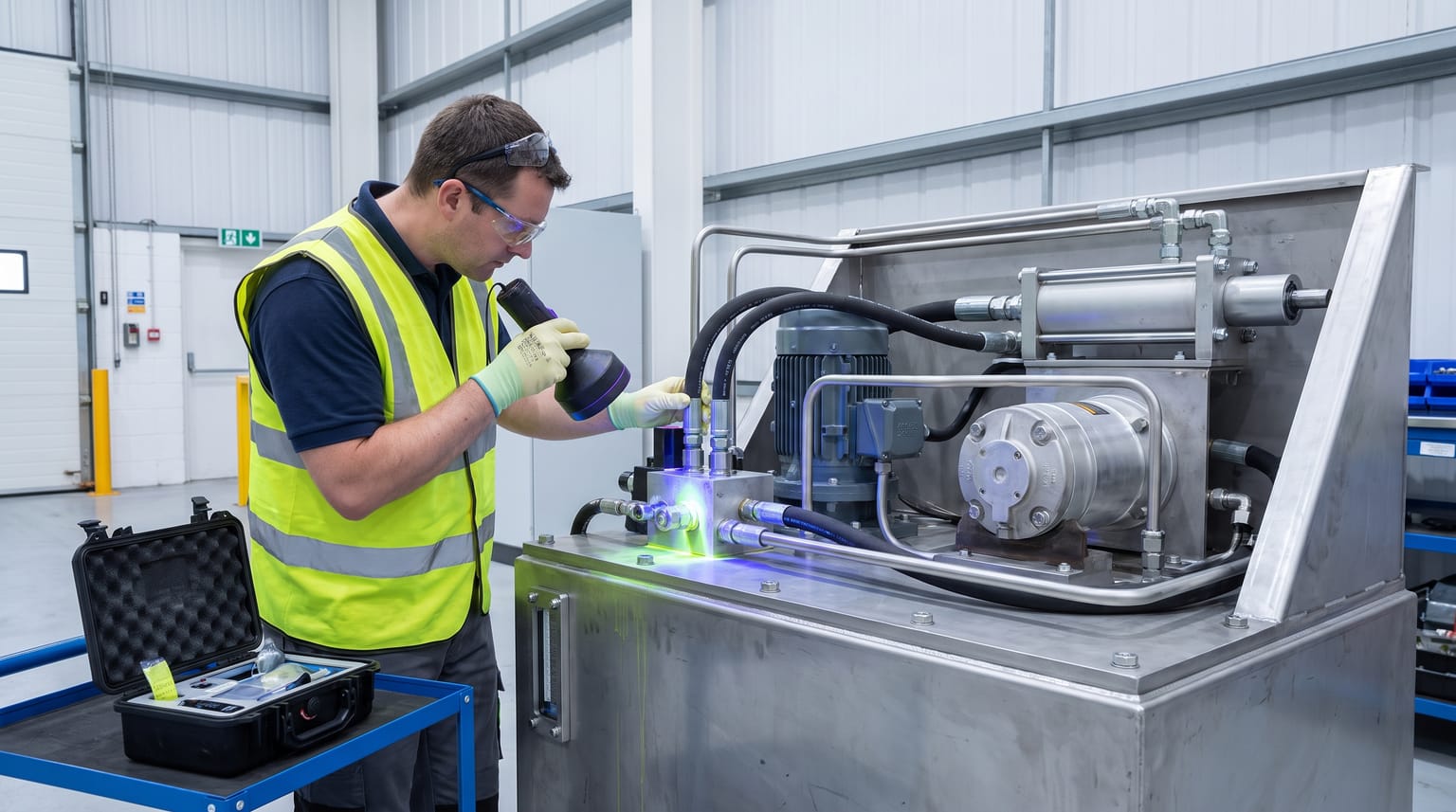
- Hose and coupling inspection.
- Valve and control-system inspection.
- Vehicle braking and suspension inspection.
- Maintenance-record review.
- Previous operational and testing documentation.
Aircraft fueling standards place strong emphasis on inspection, maintenance, quality control, documentation and safety procedures.
Aircraft Refueling Safety
Aircraft refueling safety is one of the most important aspects of airport ground operations.
Safety management can include:
- Controlling ignition sources.
- Preventing and responding to fuel spills.
- Inspecting hoses and connections.
- Controlling fuel pressure and flow.
- Monitoring fuel quality.
- Training fueling personnel.
- Conducting regular equipment inspections.
- Maintaining operational records.
- Establishing emergency procedures.
JIG standards address health, safety, security, environmental management, training and emergency procedures within aviation fuel operations.
Aviation Fuel Standards and Industry Requirements
Several international organizations and standards contribute to aviation fuel quality and aircraft fueling practices.
JIG, the Joint Inspection Group, develops standards covering the aviation fuel supply chain from refinery to aircraft.
Its standards include:
JIG 1: Aviation Fuel Quality Control and Operating Standards for Into-Plane Fuelling Services.
JIG 2: Aviation Fuel Quality Control and Operating Standards for Airport Depots and Hydrants.
JIG 4: Aviation Fuel Quality Control and Operating Standards for Smaller Airports.
JIG states that its standards are endorsed by IATA and cover aviation fuel operations across the supply chain.
SAE also publishes recommended practices addressing aircraft refueling vehicle design, performance and testing.
Used Aircraft Fuel Trucks
Used aircraft fueling vehicles are available for commercial applications, but purchasing one requires a much more detailed assessment than buying a conventional commercial truck.
The vehicle's age is only one factor.
The buyer should evaluate the fuel tank, pump, metering equipment, filtration system, hoses, valves, control systems, engine, transmission, maintenance history and previous operational records.
A professional technical inspection should be completed before purchase.
Example: 10,000-Gallon Aircraft Refueling Truck
Large-capacity aircraft refueling trucks are designed for operations requiring substantial fuel volumes.
One example is the 2011 Garsite aircraft refueling truck offered by Bestolex, with a nominal capacity of 10,000 US gallons, approximately 37,854 liters.
According to the Bestolex product data, this vehicle was previously operated at Hamad International Airport in Qatar and is equipped for aviation fuel handling, including a QSC240 engine, 3000HS transmission and dedicated aviation fuel metering and control components.
For equipment of this type, tank capacity is only one part of the evaluation. The condition and performance of the complete fueling system must also be assessed.
Garsite truck: key data from the catalogue
| Item | Value |
|---|---|
| Model | Garsite 10MS-800A-FL-AEDAS, built February 2011 |
| Tank capacity | 10,000 US gallons (about 37,854 liters) |
| Metering | 10MSD-2 meter (300 GPM, 150 PSI) |
| Engine and transmission | QSC240 with 3000HS transmission |
| Recorded operating hours | About 4,644.5 hours |
| Condition | Used, located in Qatar and available for inspection |
Source: Bestolex product data; full details on the product page.
Conclusion
Aircraft refueling is a highly specialized airport operation involving fuel storage, filtration, pumping, metering, distribution, vehicle systems and safety procedures.
Aircraft fuel trucks remain an important part of this infrastructure, particularly where mobile fueling is used to deliver aviation fuel directly to aircraft.
For organizations considering a used aircraft refueling truck, the correct evaluation should cover the complete vehicle and fueling system rather than focusing only on tank capacity, model year or chassis condition.
Inspecting the Garsite truck in Qatar
The truck is currently in Qatar and was previously operated at Hamad International Airport, according to the product data. We recommend a technical inspection of the fueling, filtration and metering systems and a review of the maintenance records before purchase.
What to prepare before booking a viewing
- The operator and the aircraft types the truck will serve
- A convenient date for the viewing
- Whether your own technician will attend the inspection
- The documents and records you want to review
Bestolex arranges the viewing and provides the truck data; more equipment is listed under heavy equipment. Request a viewing or a quotation, or message us on WhatsApp at +974 51505014.