
Why Hydraulic Oil Is Essential
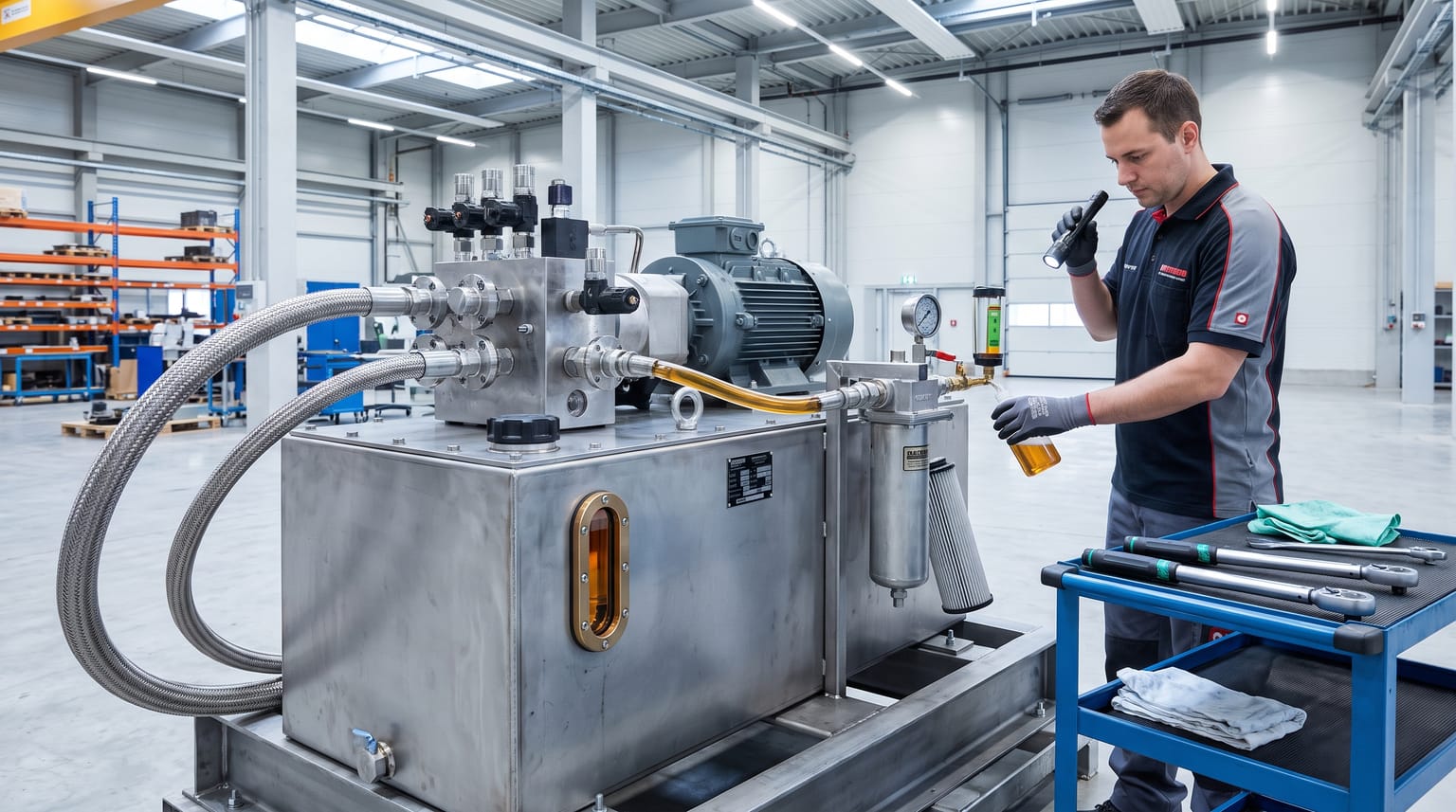
Hydraulic oil does more than transfer pressure and power through a hydraulic circuit. It also lubricates moving components, helps dissipate heat, and provides protection against corrosion and wear.
For this reason, selecting the correct oil and maintaining its condition are important parts of preventive maintenance for industrial hydraulic systems.
- Hydraulic oil transmits power, lubricates components and carries away heat, so choosing it is part of preventive maintenance.
- The viscosity grade (such as ISO VG 32, 46 or 68) comes from the equipment manufacturer's manual, not from a general rule.
- Qatar's summer heat and dust make oil temperature, filter condition and tank breathers more important to watch.
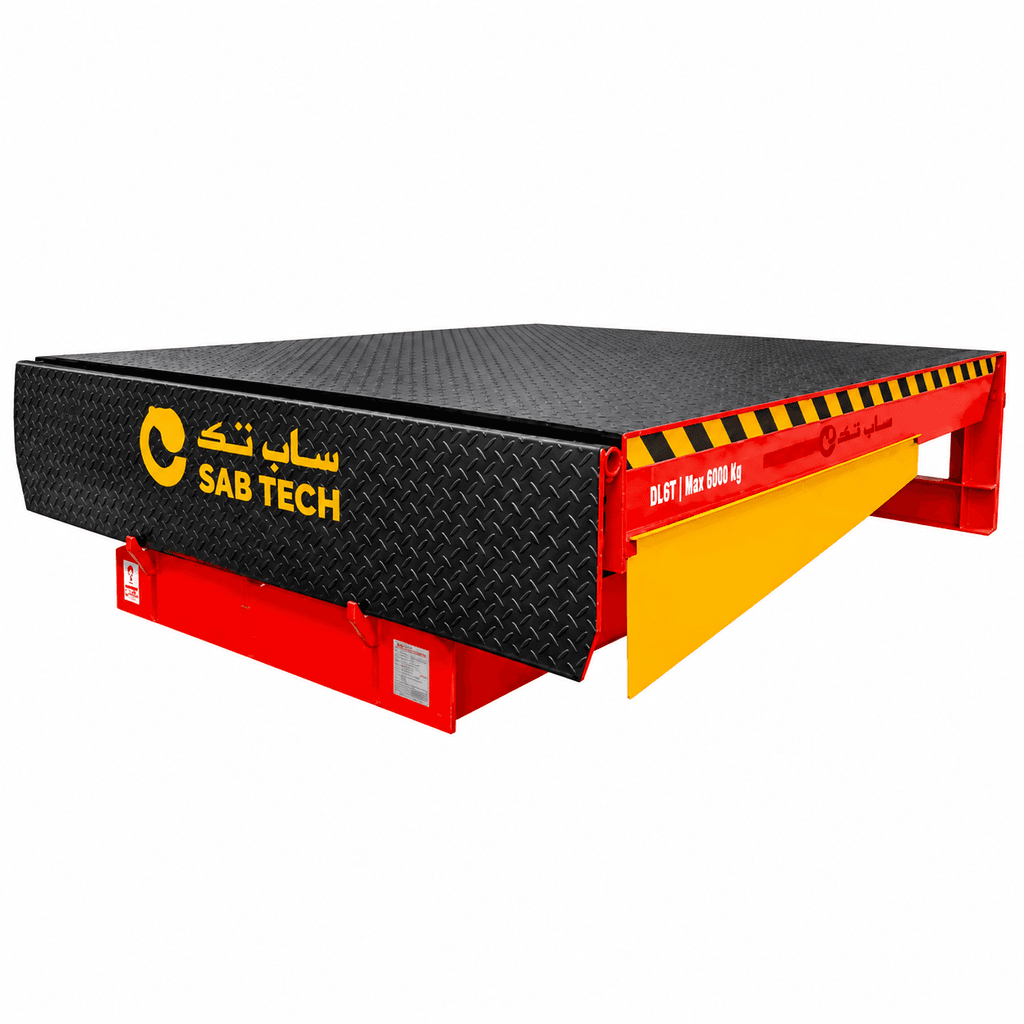
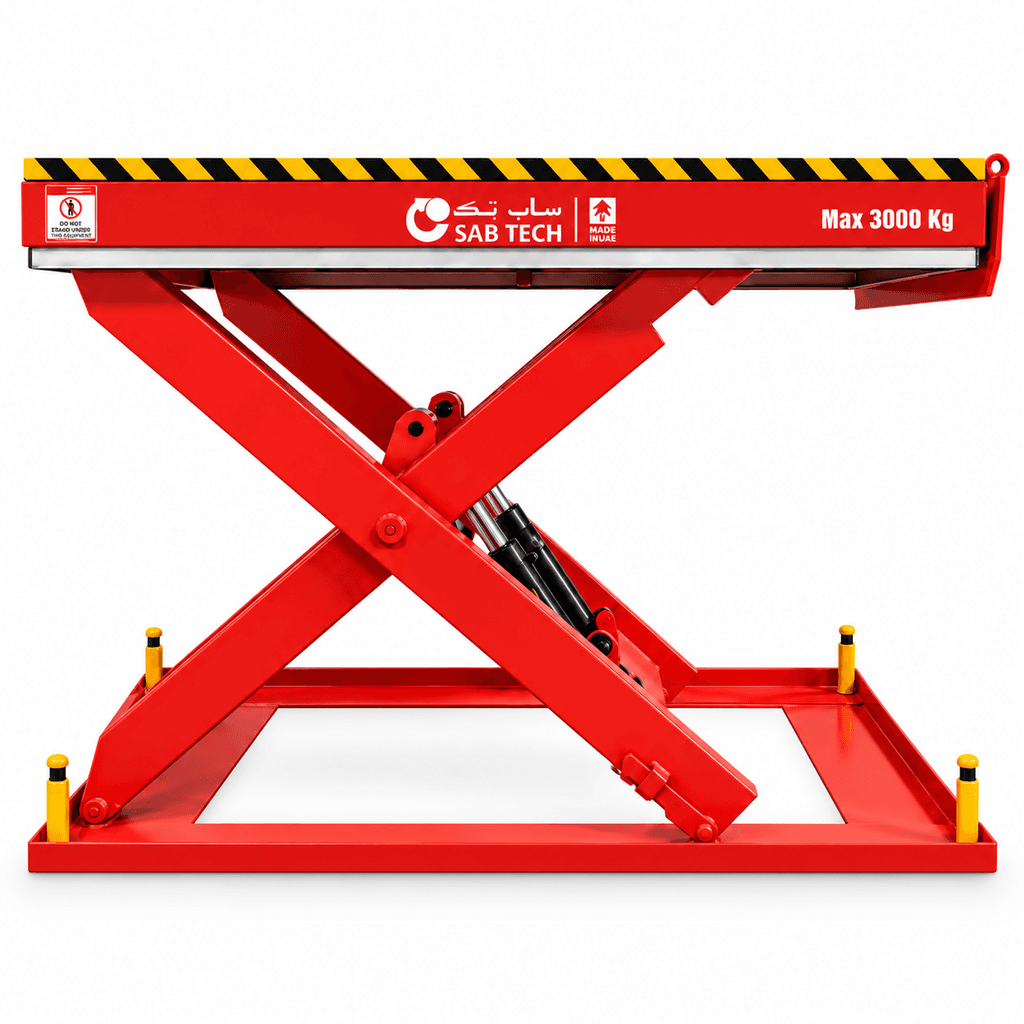
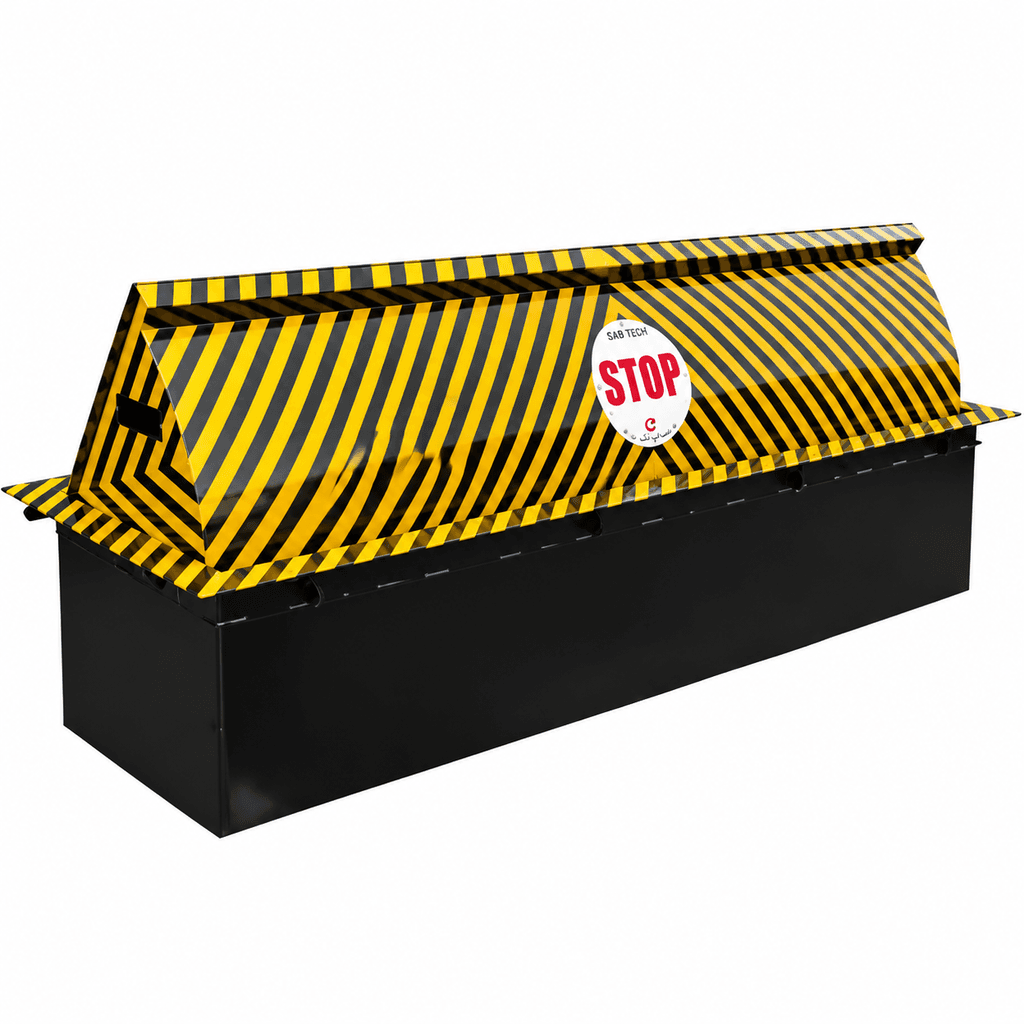
- Dock levelers, scissor lifts, balers and road blockers are all hydraulic systems that need these routine checks.
Choosing the Correct Viscosity Grade
Viscosity is one of the key properties to consider when selecting hydraulic oil. Common viscosity grades include ISO VG 32, ISO VG 46, and ISO VG 68.
The appropriate grade depends on factors such as operating temperature, system design, operating pressure, and the equipment manufacturer's specifications.
Higher-viscosity grades may be suitable for certain systems operating at elevated temperatures, but ISO VG 68 should not be treated as a universal choice. The correct viscosity must always match the hydraulic system and its operating conditions.
Oil Cleanliness and Filtration
Oil contamination can significantly affect sensitive hydraulic components. Dust, metal particles, and moisture may enter the system during operation, maintenance, or through improperly sealed points.
Proper filtration helps limit the circulation of contaminants through the hydraulic circuit. Filter ratings should be selected according to the system design and manufacturer requirements, while filter condition should be monitored and replacement carried out according to the approved maintenance schedule.
Signs of Hydraulic Oil Deterioration
Several signs may indicate that the oil or hydraulic system requires inspection, including:
- A noticeable change in oil colour or increased cloudiness.
- Foaming inside the reservoir.
- Unusually high oil or reservoir temperature.
- Slow actuator response.
- Reduced performance of hydraulic arms and moving components.
- Unusual particles or deposits in the oil.
These symptoms do not necessarily mean that the oil itself is the only problem. Oil level, filtration, temperature, leaks, and hydraulic components should also be checked before deciding to replace the oil.
Preventive Maintenance Supports System Reliability
Regular monitoring can help identify oil deterioration or contamination before it develops into an operational problem. Maintenance activities may include checking oil levels, inspecting filters, looking for leaks, monitoring temperatures, and performing oil analysis when required.
Equipment manufacturer specifications should be used to determine the correct oil type, replacement interval, and filtration requirements.
The Right Oil Starts With the Hydraulic System
There is no single viscosity grade suitable for every hydraulic system. The correct selection depends on temperature, operating pressure, pump and component design, and the application itself.
Combining the correct hydraulic oil with effective filtration and regular maintenance can help maintain stable performance and reduce the risk of unexpected downtime.
Where Hydraulic Oil Works in Warehouse and Site Equipment
Much of the everyday equipment in warehouses and facilities runs on hydraulics, and each machine has its own check points:
| Equipment | What the hydraulic system does | What to check routinely |
|---|---|---|
| Hydraulic dock leveler | Raises the deck and extends the lip onto the truck bed | Oil level, leaks around cylinders, smooth and even movement |
| Scissor lift table | Lifts and lowers the platform and load steadily | Creep under load, hose condition, oil cleanliness |
| Cardboard and waste balers | Drives the press plate with high force on every cycle | Oil temperature during continuous running, filters, cycle time |
| Hydraulic road blocker | Raises and lowers the barrier for every passage | Tank oil level indicator and filter breather, emergency hand pump |
Road blocker tank accessories (level indicator, filter breather, drain port) from the Bestolex approved product catalogue.
Hydraulic Oil in Qatar Conditions
Summer temperatures in Qatar are high, and much equipment runs in open loading yards or near dust. Watch oil and tank temperature in the hot months, clean tank breathers and change filters on schedule, and keep filling points well sealed. Do not change the viscosity grade because of heat alone; check the manufacturer's manual first.
Bestolex after-sales service covers preventive and corrective maintenance and genuine spare parts for the SAB TECH equipment we supply, such as dock levelers, lifts, balers and road blockers. Services for other hydraulic systems are available on request through a technical partner. Browse the equipment under loading systems and waste & recycling.
Conclusion
Hydraulic oil is a critical part of the entire operating system, not simply a medium for transferring energy. Correct viscosity, oil cleanliness, effective filtration, and regular monitoring all contribute to protecting hydraulic components and maintaining long-term system performance.
Need a maintenance plan for your loading equipment or balers? Request a site survey or a quotation, or message us on WhatsApp at +974 51505014.