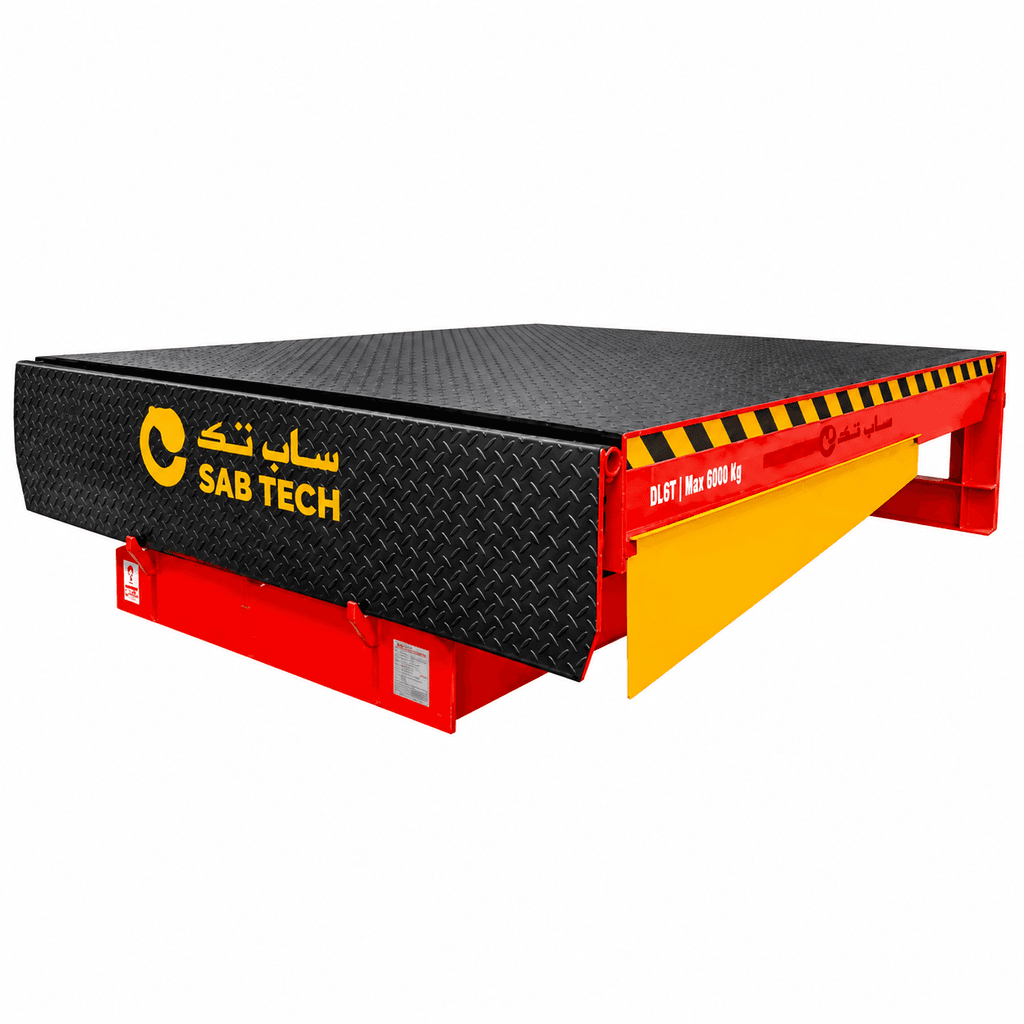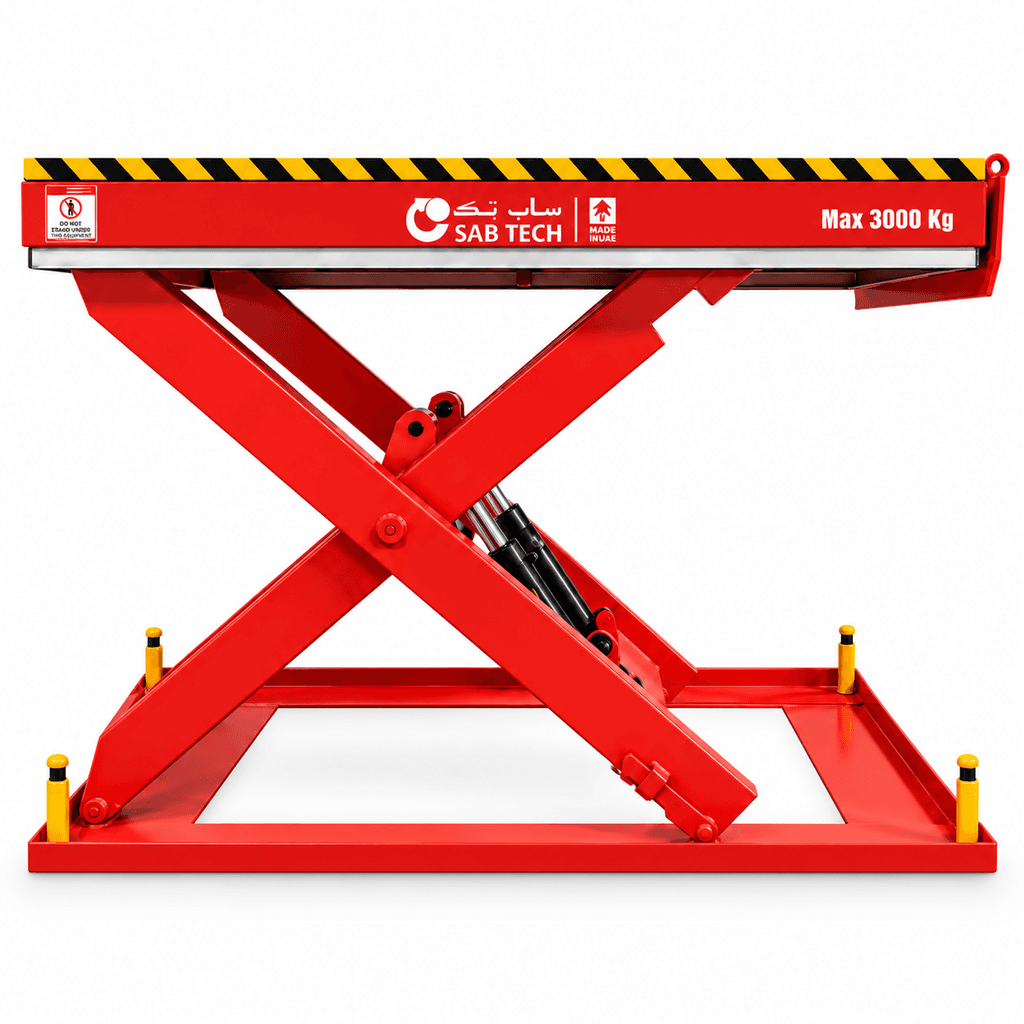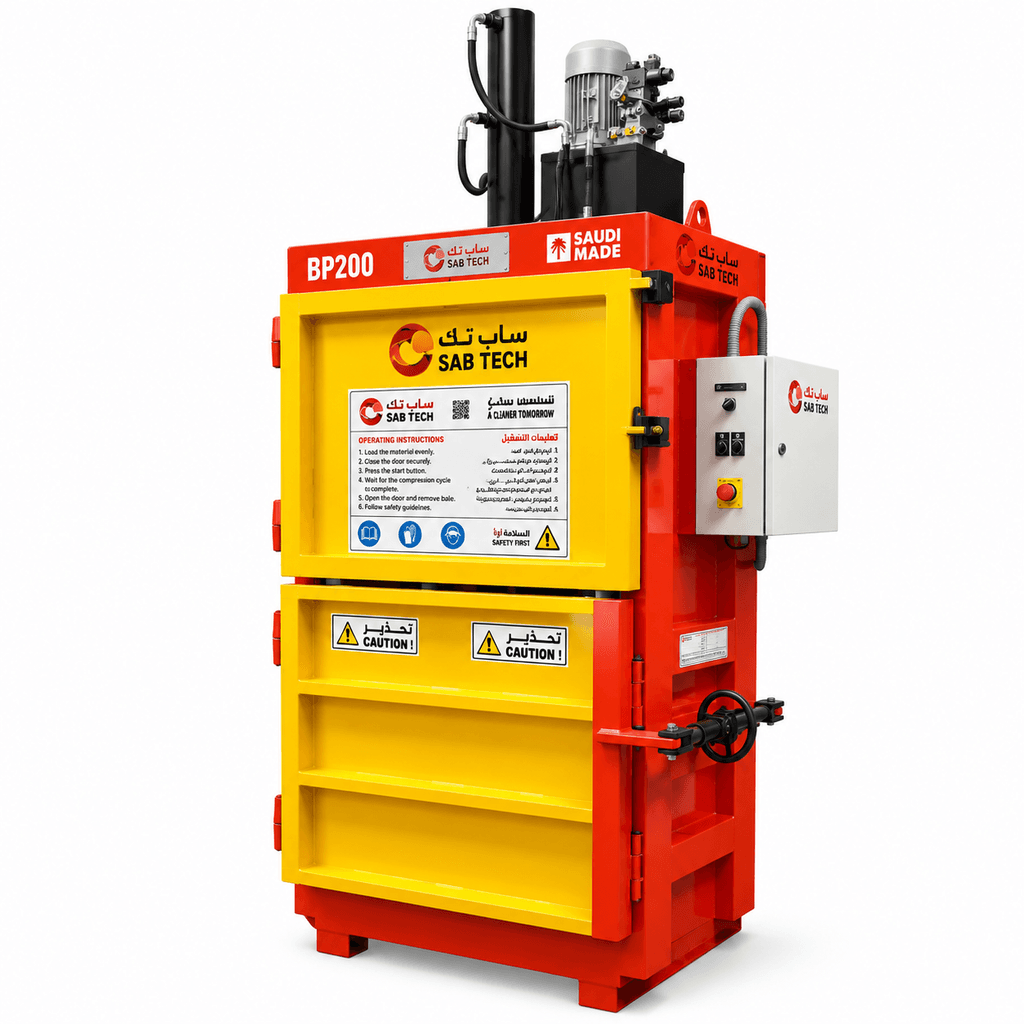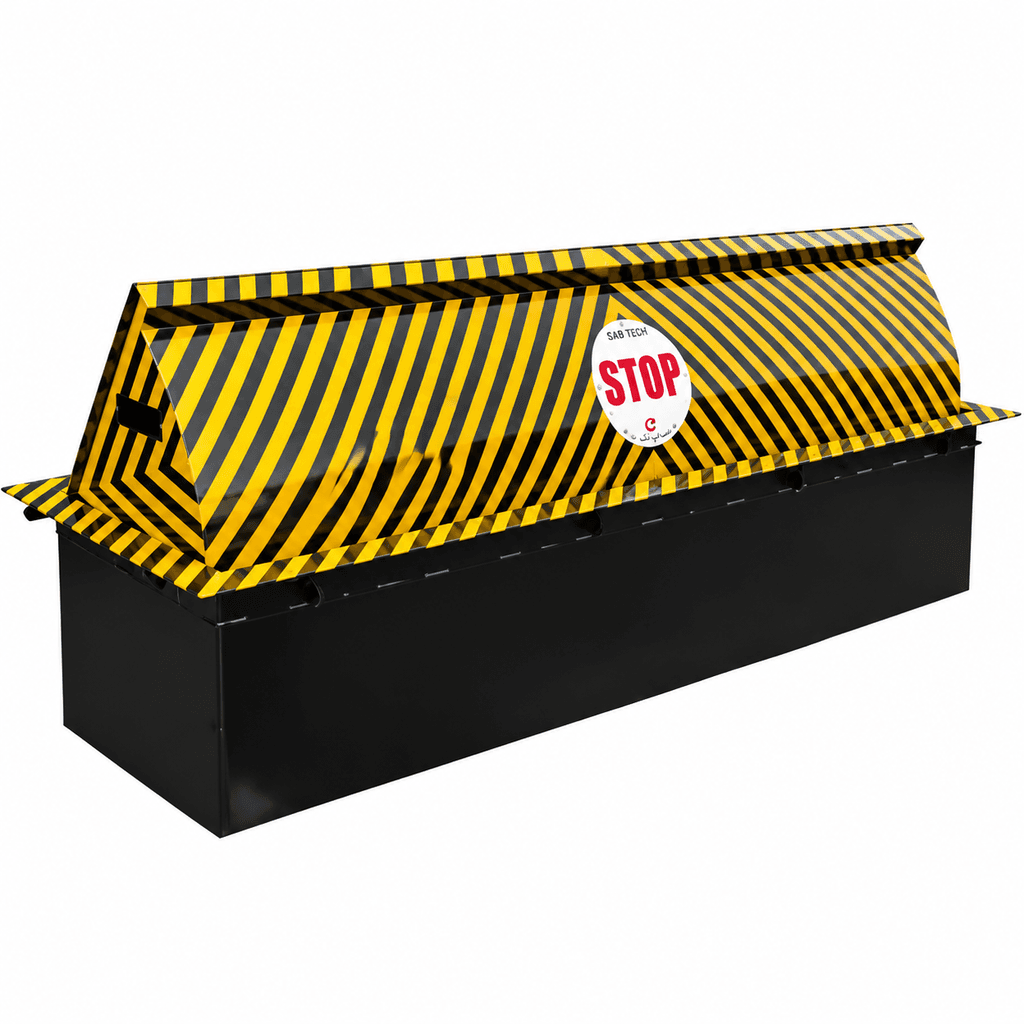

Dock levelers, scissor lifts, cardboard balers and road blockers work every day, and most rely on a hydraulic system, an electric motor and moving parts under heavy load. When one stops without warning, a loading door, a recycling line or a site entrance stops with it. Preventive maintenance means inspecting and servicing this equipment on a fixed schedule before faults appear, instead of waiting for a breakdown. This guide gives facility and maintenance managers in Qatar a practical schedule and the key checks for each type of equipment.
- Preventive maintenance usually costs less than repair after failure because it catches leaks, wear and seal damage early.
- Daily checks take the operator minutes; monthly and annual service is done by a trained technician to the manufacturer's manual.
- Qatar's summer heat and dust call for closer attention to oil temperature, filters and electrical components.
- A log of faults and repairs reveals recurring causes so they can be fixed before they turn into long stoppages.
Why preventive maintenance rather than repair on failure?
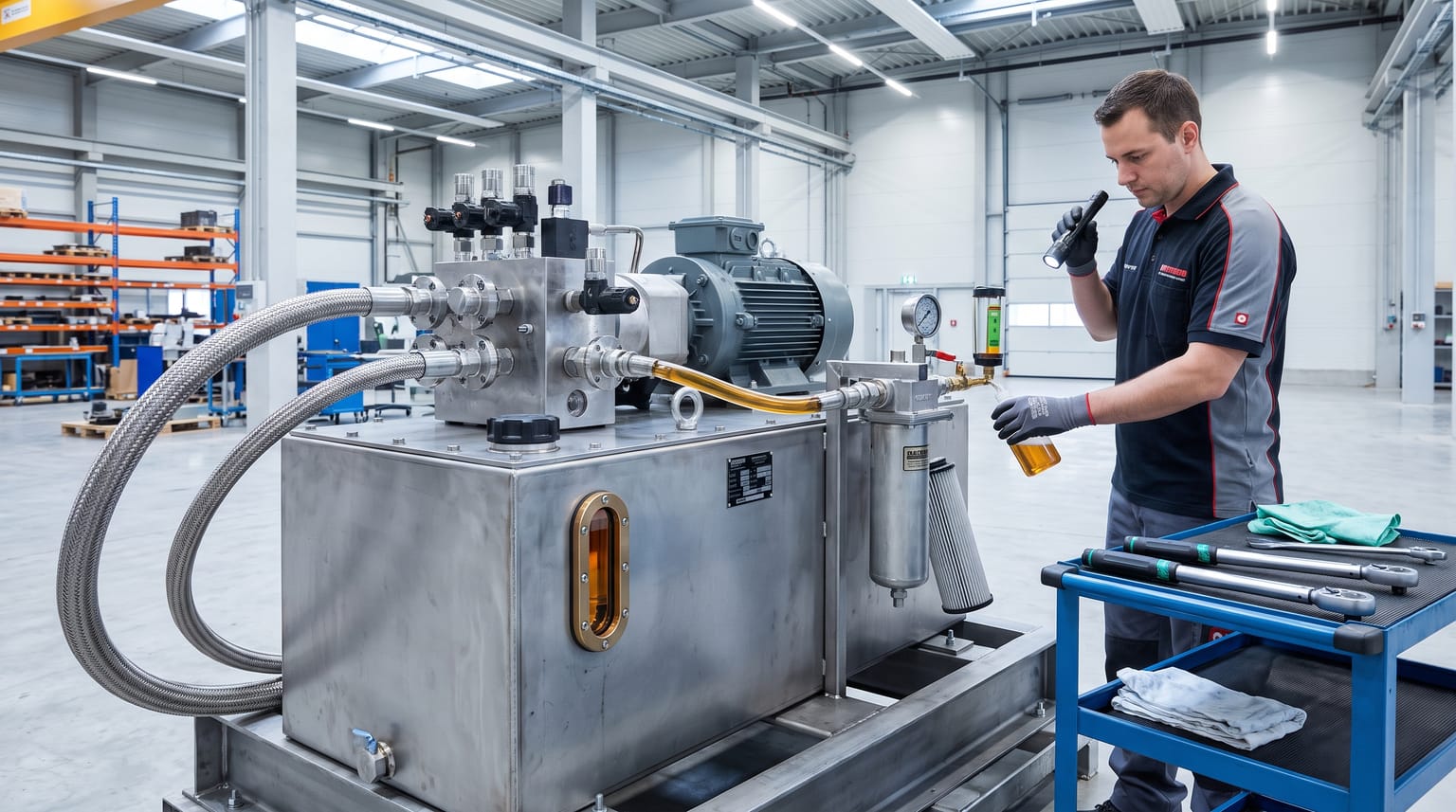
Many breakdowns are not sudden. They start with small signs: an oil spot under a cylinder, an unusual pump noise, slower movement. Dealing with them early means replacing a seal or hose at low cost; ignoring them means days of downtime, waiting for parts and lost output. Regular maintenance also keeps safety devices working, such as free-fall protection on dock levelers, the under-platform safety bar on scissor lifts and photocells on road blockers.
Preventive maintenance schedule by equipment type
| Equipment | Daily (operator) | Monthly (technician) | Annually (technician) |
|---|---|---|---|
| Hydraulic dock leveler | Returns to level; deck and lip clean | Oil level, leaks, free-fall protection test | Oil and filter change per manual; hinges and coating |
| Scissor lift table | Safety bar under the platform; no creep under load | Hoses and cylinders; grease points on the arms | Pressure relief valve; bearings and pins |
| Cardboard and plastic balers | Door interlock and emergency stop; chamber clean | Oil and filters; press plate and guides | Oil change; pump, valves and motor |
| Hydraulic road blocker | Full raise and lower; signals and sensors | Oil level indicator, filter breather, pit drainage | Emergency hand pump test; structure and cylinders |
General guidance; exact intervals and materials come from each manufacturer's manual. The road blocker tank accessories and hand pump, the dock leveler free-fall protection, and the scissor lift relief valve and safety bar are from the Bestolex catalogue; the other items are general checks to confirm against each manual.
Five rules for a maintenance programme that works
- A written checklist for each machine: a paper or digital form the operator signs daily, so checks do not depend on memory.
- Follow the manufacturer's specification: oil type, viscosity grade and change intervals from the equipment manual, not a general rule.
- Genuine spare parts: non-matching seals, hoses and filters save a little today and cause bigger failures tomorrow.
- Lockout and tagout before any work: isolate power, release hydraulic pressure and tag the machine before entering any moving area.
- Log every fault and repair: the same fault recurring on the same machine points to a root cause that needs fixing.
Signs that mean stop and inspect now
- New oil leaks or spots on the floor under cylinders or the hydraulic unit.
- A platform, deck or barrier creeping down under load, or moving slower than usual.
- Knocking or whining from the pump, foam in the oil tank, or an unusually hot motor.
- A failed safety device: an emergency stop that does not respond, a dead sensor, or a door lock that does not prevent operation.
In these cases, stop the machine and isolate it until a qualified technician has checked it; carrying on turns a small fault into a long stoppage or an accident.
Operator training is part of maintenance
Many faults come from misuse: overloading a dock leveler, putting unsuitable material in a baler, or operating a road blocker with a vehicle over it. Every new operator should be trained in correct operation, the safety devices and the daily checklist, with refresher training when equipment changes or after any incident.
Maintenance in Qatar conditions
Summer temperatures in Qatar are high and much equipment runs in open yards or near dust. Watch oil and motor temperatures in the hot months, clean air filters, tank breathers and oil coolers more often, and check control panels and cables exposed to the sun. Before the rainy season, make sure road blocker and dock leveler pits drain properly so water does not collect.
Bestolex after-sales service
Preventive and corrective maintenance and genuine spare parts are part of the service from Bestolex, the exclusive SAB TECH agent in Qatar, for the equipment we supply: dock levelers and lifts under loading systems, balers and compactors under waste & recycling, and road blockers and tyre killers under perimeter protection systems, with a one-year warranty as listed in the catalogue. Services for other hydraulic systems are available on request through a technical partner.
Want a preventive maintenance plan for your site's equipment? Request a site survey or a quotation, or message us on WhatsApp at +974 51505014.